


Looks like we found Jason Bourne…

Looks like we found Jason Bourne…
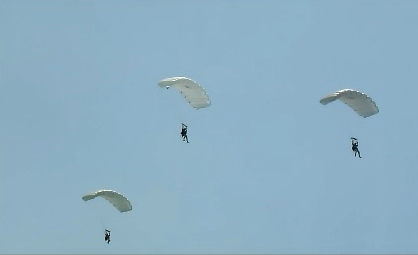
Tom Rice, now 90 years old, is a former member of the 101st Airborne Division “Screaming Eagles”. On June 6th, 1944, Tom jumped behind enemy lines during the Normandy invasion. To celebrate June 6th, 1944, Tom goes out the door like a champ…
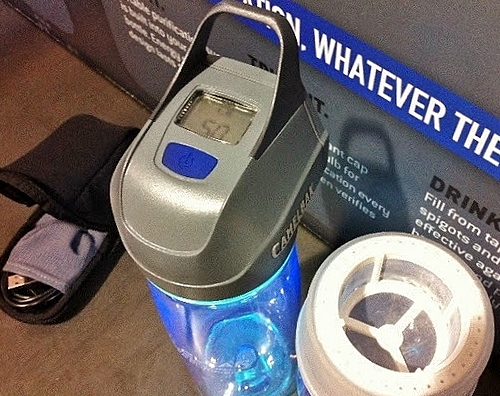 As the theater of operations shifts from Iraq and Afghanistan to Asia-Pacific, soldiers and operators will say farewell to sands and moon dust and hello to lush tropical rainforests; everything from apparel to logistics changes. Having access to a portable water purification system is essential.
In July, I will review Camelbak’s All Clear™ water purification system. This is a review that you don’t want to miss because I will discuss likely pathogens, water turbidity, how to select a water source, benefits and hazards of eutrophication and a variety of nice to know pieces of information.
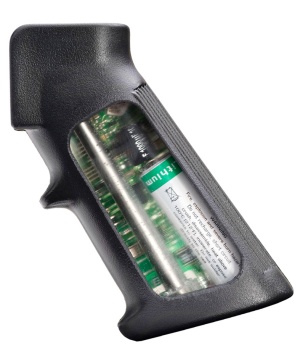
FN Herstal SmartCore
What originally started out as a shot counter to help the United States Army solve its maintenance issues with the M4, now offers enhanced functionality in situational awareness.
The problem with managing weapon systems, particularly shoulder fired individual soldier systems, is quite simply that there are no systematic ways of optimizing service intervals, or life cycle management. When should a barrel be replaced, or how about recoil buffers and ejectors? Manufacturers know how often that maintenance should take place but the armorer has no systematic way of determining when those service dictating parameters are met. So, what happens? Well, you either change the part or component prematurely in an effort to be proactive; adding to cost. Or, you wait for the weapon to fail; then you have a “reliability” problem or a dead soldier.
FN’s SmartCore provides a transparent and automatic way of collecting that data, but in its latest rendition it also communicates to C² that a firefight has begun, how the firefight was conducted and how many rounds were expended. The data is seamlessly transmitted using the soldier’s situational awareness tools.
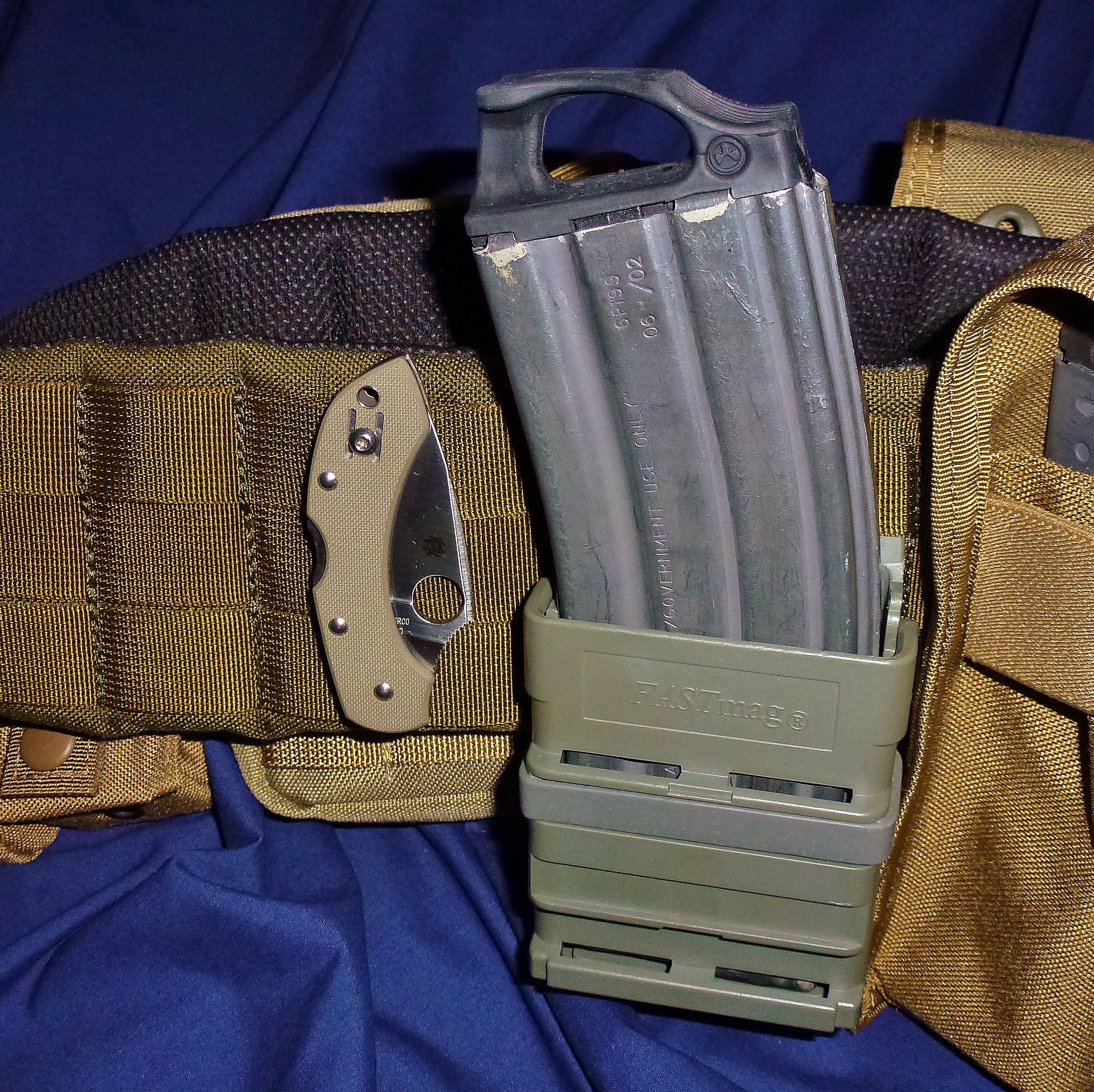
When it comes to Spyderco, size does not matter. I’ll be reviewing this little gem of an EDC knife for you this July…
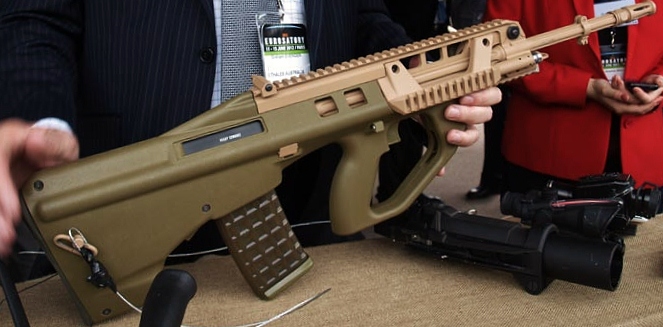
Thales Enhanced F88 Photo: T. Eshel Defense-Update.com
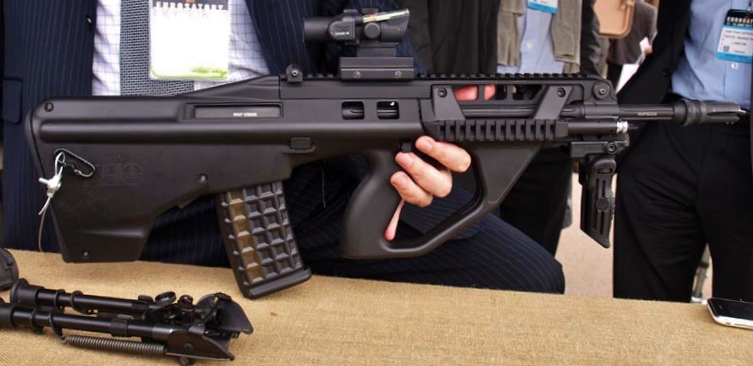
Thales F90 intended for export Photo: T. Eshel Defense-Update.com
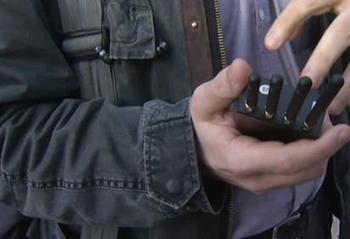 One thing is evident, and that is that jamming equipment is very much in vogue; with a variety of portable jammers now available to both the large Army and SOF. This is great because it helps to deny cellular and rf communications while you’re conducting a kinetic operation. HOWEVER!
Let me suggest to you that there munitions available to rotary, fixed and UAV assets that lock on to sources of jamming, so keep that in mind. AT ALL TIMES!
I’ll be doing a complete article down the road on EW and the technology available today for operators.
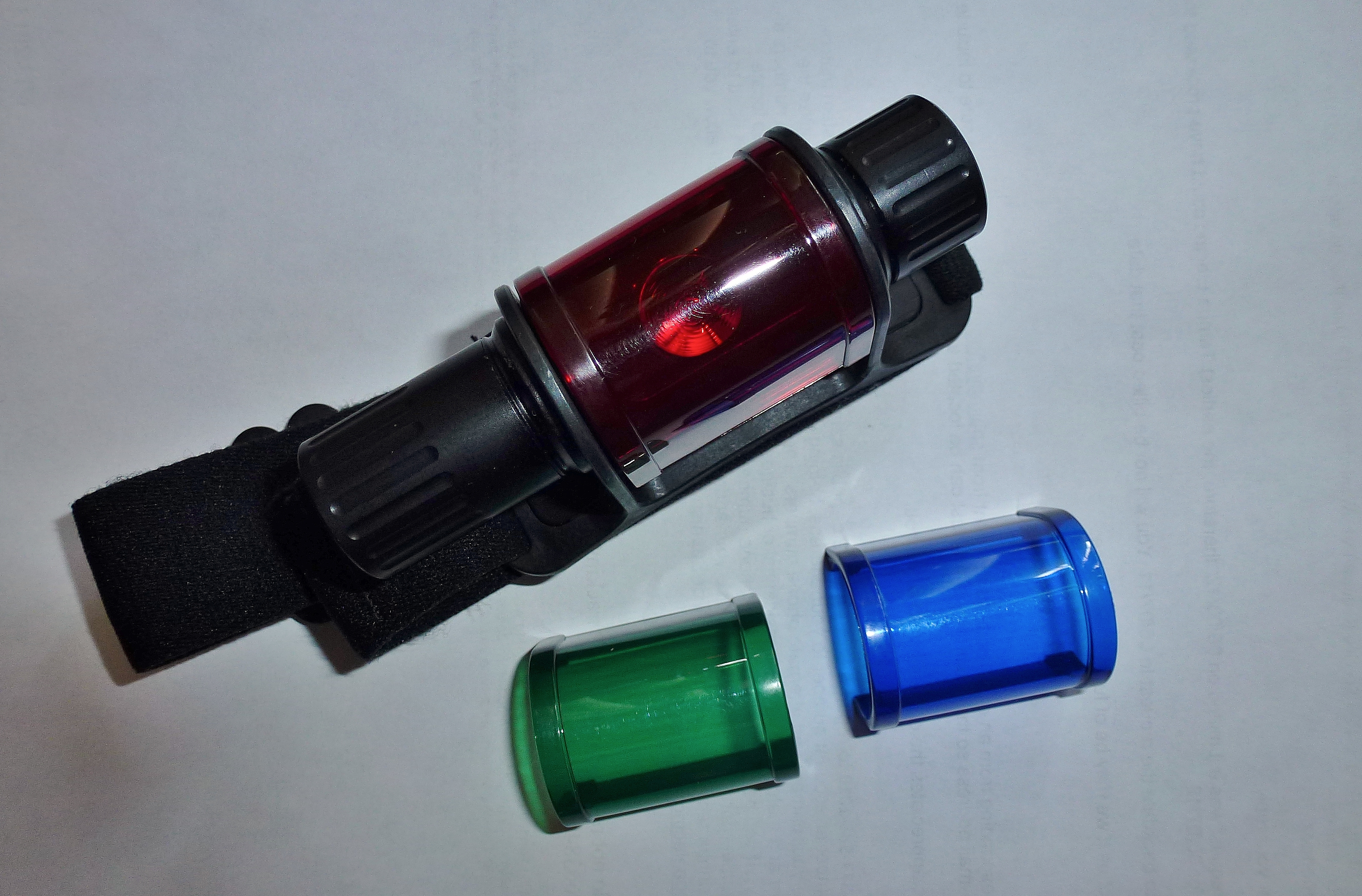
Just a quick post to let readers know that Surefire has finally delivered on a filter kit for the Minimus headlamp. Fit and finish are what you would expect from Surefire. You can buy the kit directly from Surefire or a number of other online retailers for $17 to $25 plus shipping. If you own a Minimus and expect it to fill a military or LE roll, I strongly suggest you buy the kit.
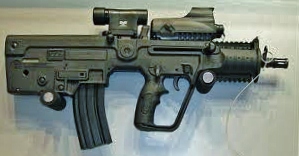 IWI’s family of Tavor carbines are some of the best carbines available. Although the IWI CTAR, or Compact Tavor, addressed the size consideration for urban and counter terror operations, it lacked the ability to downsize from a full powered rifle caliber to a pistol caliber better suited for urban scenarios where over penetration is a serious consideration. With the IWI x95, the operator has one platform that can easily be converted from 5.56mm to 9mm saving training time and costs.

Eurosatory – iRobot announced they had received a $12.7 million order from U.S. Army Contracting Command for 68 model 310 SUGV robots and spares kits. All deliveries will be completed by 31 Aug 2012.
The iRobot 310 SUGV is a man-portable robot with articulating arm and wearable controller; primarily intended for dismounted EOD operations. The robot is configurable and can be equipped with a variety of payloads and sensors as mission requirements dictate.
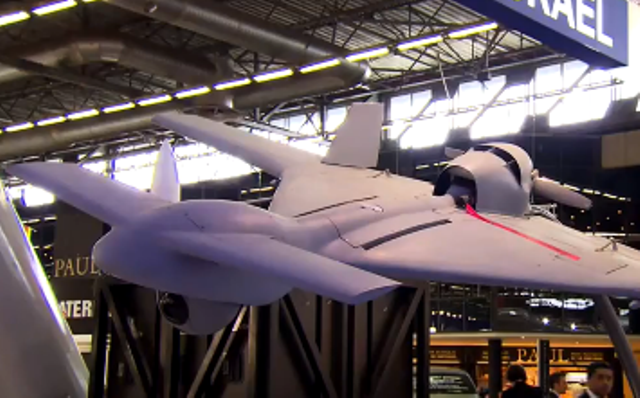
 I thought counter-rotating rotors were exclusive to the Kamov Russian designs, a la Mischa…
This little guy sports 2 counter-rotating rotors, and can be deployed in 2 minutes or less. It comes with a choice of powerplants either an electric brushless motor, with a runtime of 35 minutes, or a two-stroke engine, albeit less quiet, with a runtime of 90 minutes. Infotron’s IT180 vtol UAV can handle a payload of up to 5 kg (11 lbs).
Infotron is a privately held French company specializing in vertical lift drones.
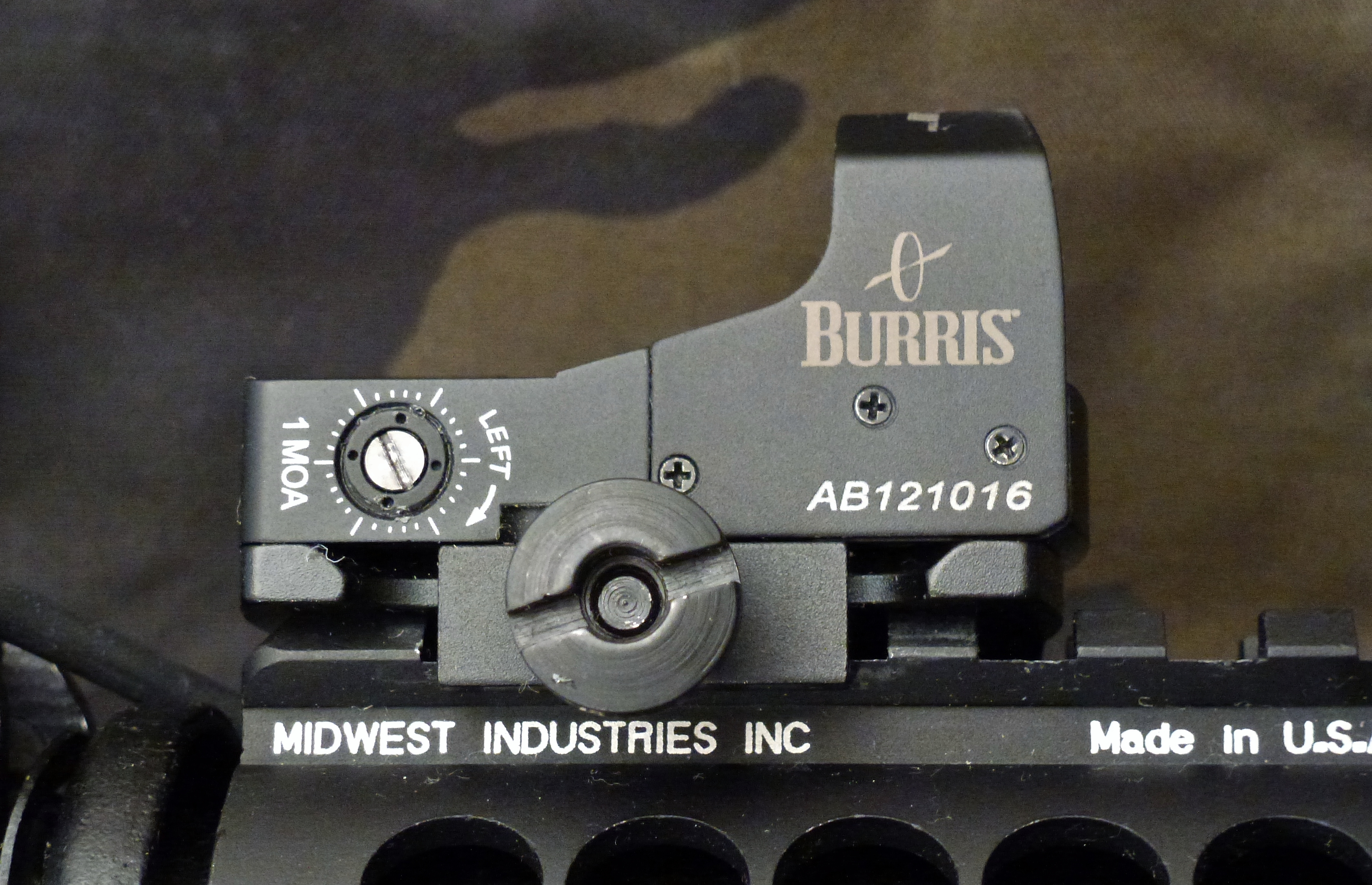
Burris Optics’s Fastfire III
Burris has done a superb job with the FASTFIRE™ III. They’ve improved on prior renditions with added robustness, water resistance, battery placement, zeroing adjustment and a power switch that provides the operator with total control. These improvements make the FASTFIRE™ III a very capable and credible tactical reflex sight. When you combine that with market pricing that is just over $200, you have a real winner!
Review
If this is your first time attending Eurosatory, I’d like to suggest that you visit Au Pied De Cochon for a great dinning experience with an excellent selection of local wines.

6 RUE COQUILLIÈRE – 75001 PARIS
Give them a try and let me know what you think!
 Moods are more somber at Eurosatory as the reality of EU’s economy unfolds. Aggravating things further is the looming prospect that budget sequestration for the DOD may be unavoidable.

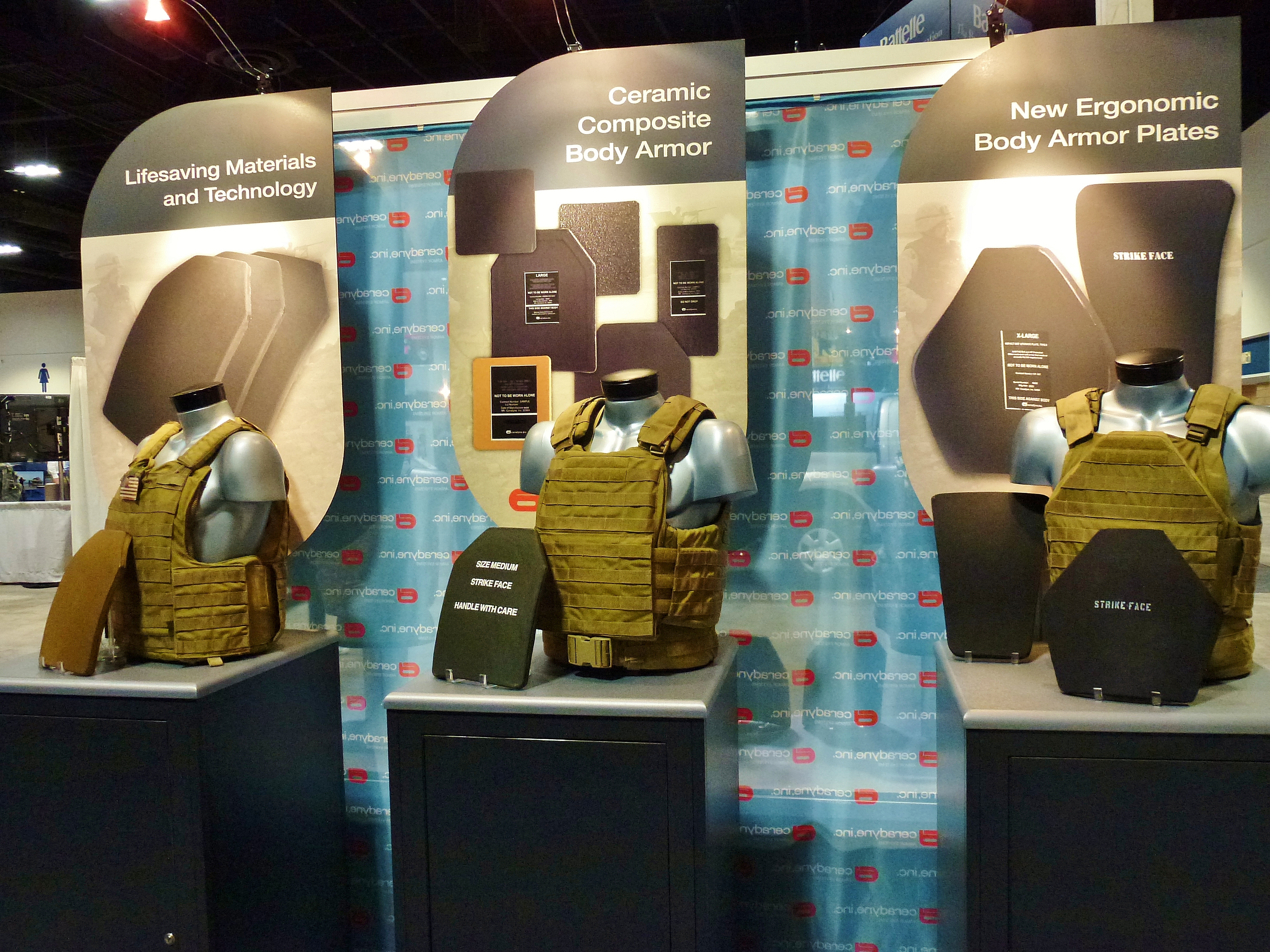
Ceradyne , Inc. located in Costa Mesa, Ca is a highly diversified and vertically integrated business specializing across a number of sectors including aviation, automotive, electronics, defense and several others. Vertical integration means that the company has control of its raw materials and supplies giving the company full control over its manufacturing and quality control. Its ballistic plates are used throughout the SOF community.
Ceradyne has committed resources to design and develop DEFENDER® ceramic based armor solutions from body armor to LTAS government tested and approved vehicle armor. There have been and continues to be multiple companies that supply armor solutions to the DoD and SOF but none are distinguished by their ability to react to new requirements and surge production demands like Ceradyne.
SOF uses Ceradyne body, side and shoulder armor, which provides up to NIJ Level III+ when worn with soft armor. They also produce a special operations side plate that delivers NIJ Level IV protection without the use of soft armor inserts. Plates produced come in a variety of sizes and cuts to accommodate swimmers.

Things don’t always go right, or as planned, in the Presidency, so we’ve come up with a list of “n” things we think Mitt Romney would say if he were displeased while sitting in the Oval Office…
10. Gee willikers!
9. Jumpin jiminy!
8. Holy smokes!
7. Dang it!
6. Dang blasted!
5. Gosh dang!
4. I’m madder than a hornet now!
3. Dad blame it!
2. Dag nabit!
1. I’m havin a hissy fit!

KRISS® Arms launched a brand-new website for the North American market at www.kriss-usa.com, and it is a major improvement over the old site in both content, look and feel.
From the new site, customers can easily access the new KRISS® online store and shop for KRISS® branded weapons accessories and apparel. It’s also a convenient way for owners to register their systems and take advantage of all warranty services. The site features a new “Frequently Asked Questions” section, and a downloadable/viewable Vector manual. KRISS® fans will want the downloadable wallpaper images for PC’s, iPhone and the iPad.
KRISS® dealers and media personnel may download Vector product specification sheet, high resolution images and the KRISS® logo. All in all, the new KRISS® USA website provides customers, fans, dealers and media personnel with a one-stop source for information, news, published articles, images, videos and shopping.
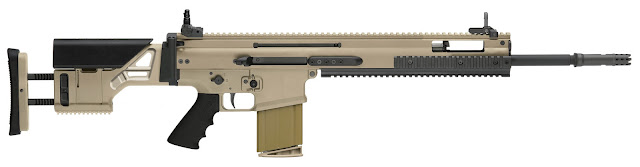
FN Herstal will debut the new FN SCAR-H TPR at Eurosatory, which kicks off next week in Paris. There are only two distinctions separating the new FN SCAR-H TPR (Tactical Precision Rifle) from its parent, the FN SCAR-H PR (Precision Rifle). The TPR will have a fixed buttstock (non-folding) that is adjustable for length of pull (10 positions) and height (8 positions). The buttstock will also feature a 1913 Picatinny rail to accommodate a monopod or other system.
The TPR is functionally the same as the FN SCAR-H PR announced in 2011.
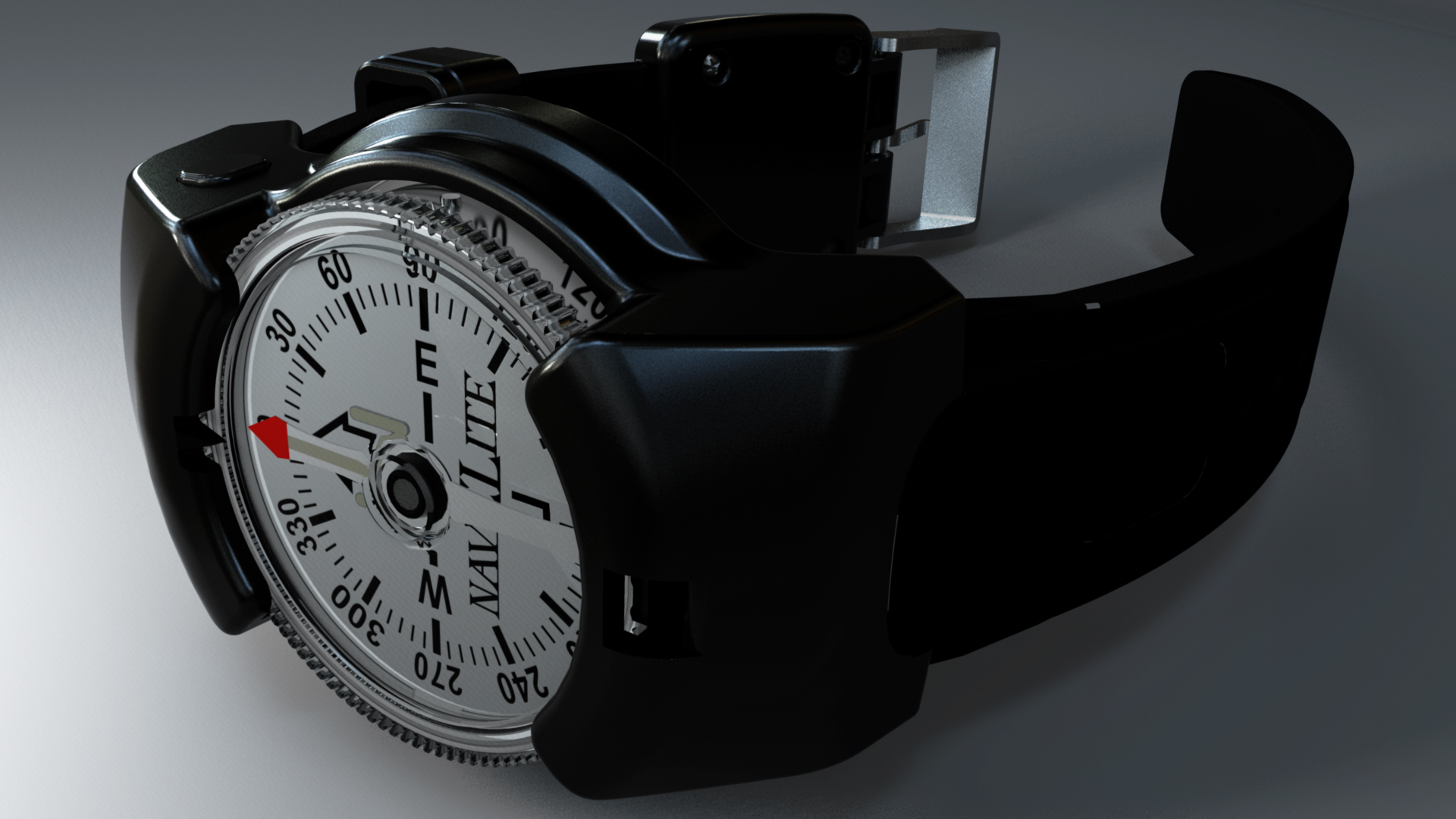
NavElite, a Palm Harbor, FL company got its beginnings in October of 2010 when two former SOF operators decided to reinvent the wrist magnetic compass. Their experience in Afghanistan and Iraq highlighted the need for a wrist worn compass that was easy to read, operate and visible in low or no light conditions. What emerged from that experience is the patented NavElite Backlit Magnetic Compass (BLMC).
The NavElite (BLMC) is not just a better mousetrap, everything from its Indiglo back-lighting to the markings on the face and shape of the needle was designed to make the compass fast and easy to use under any combat condition.
During an interview with Andy, a retired SOF NCO and former DELTA team member, I had an opportunity to swap stories with him. I was dismayed to hear from Andy that teams leaving for an op may not have a single compass among them; relying solely on GPS. Which begs the questions, what happens if batteries die or you’re in a cave, building or dense forest? Andy’s view, one that I whole heartily agree with, is that a wrist compass should be part of every soldier’s or Marine’s kit. It’s as basic as MRE’s, socks and skivvies.
If demand for the NavElite BLMC is any indicator, Andy and his partner Carroll are off to a great start. In discussing the future, Andy and Carroll have plans for a slew of things; among them, a water resistant and dive version of the NavElite BLMC. They are also formulating plans for a training component to their business.
If you’re thinking about getting one, DO NOT let grass grow under your feet – at an M.S.R.P of $79.99 they are moving fast! As I understand it, a large part of their July production is nearly sold out, so get your order in here
If you hunt, fish, hike, camp, geocache or simply need a cardinal reference readily available NavElite is your ticket. Long after your GPS and smartphone die, NavElite will be there to get you home.
Note:
To place things into perspective for you. On a 3 kilometer infil or hike, a mere 5º error in your track means that you’ll miss your destination or rally point by just over 300 meters. If you happen to be in a wooded are, your probably won’t even know that you missed it. That’s the importance of a quality, easy to use compass.
 United States Special Operations Forces are currently engaged in 75 countries around the globe. Going forward, our greatest threat to national security will not be from nation states, it comes from third world nations hosting radical elements, or countries lacking the resources and infrastructure to prevent radical or criminal elements from establishing a base of operations. Succeeding in this milieu requires that our special forces effectively decrease their response time to a potential threat. To that end, Admiral William H McRaven, USSOCOM’s Commanding Officer, and the officer who oversaw the UBL raid, submitted a priority request to Congress and the Department of State for expanded authorization to train and equip internal security forces in host nations. McRaven’s proposal would facilitate partnering and increase the speed and effectiveness of operations conducted against threats. However, House and Senate officials, along with the Department of State rejected that request; preferring to use existing security agreements put in place by Secretary Clinton and former Secretary Gates. Regrettably, the security agreements in place lack the benefit of lessons learned from prosecuting the GWT. So, it looks like it’s back to the drawing board for USSOCOM planners, for now.
There’s nothing more dignified than a Rule Britania Overture with “chorale in messe'”
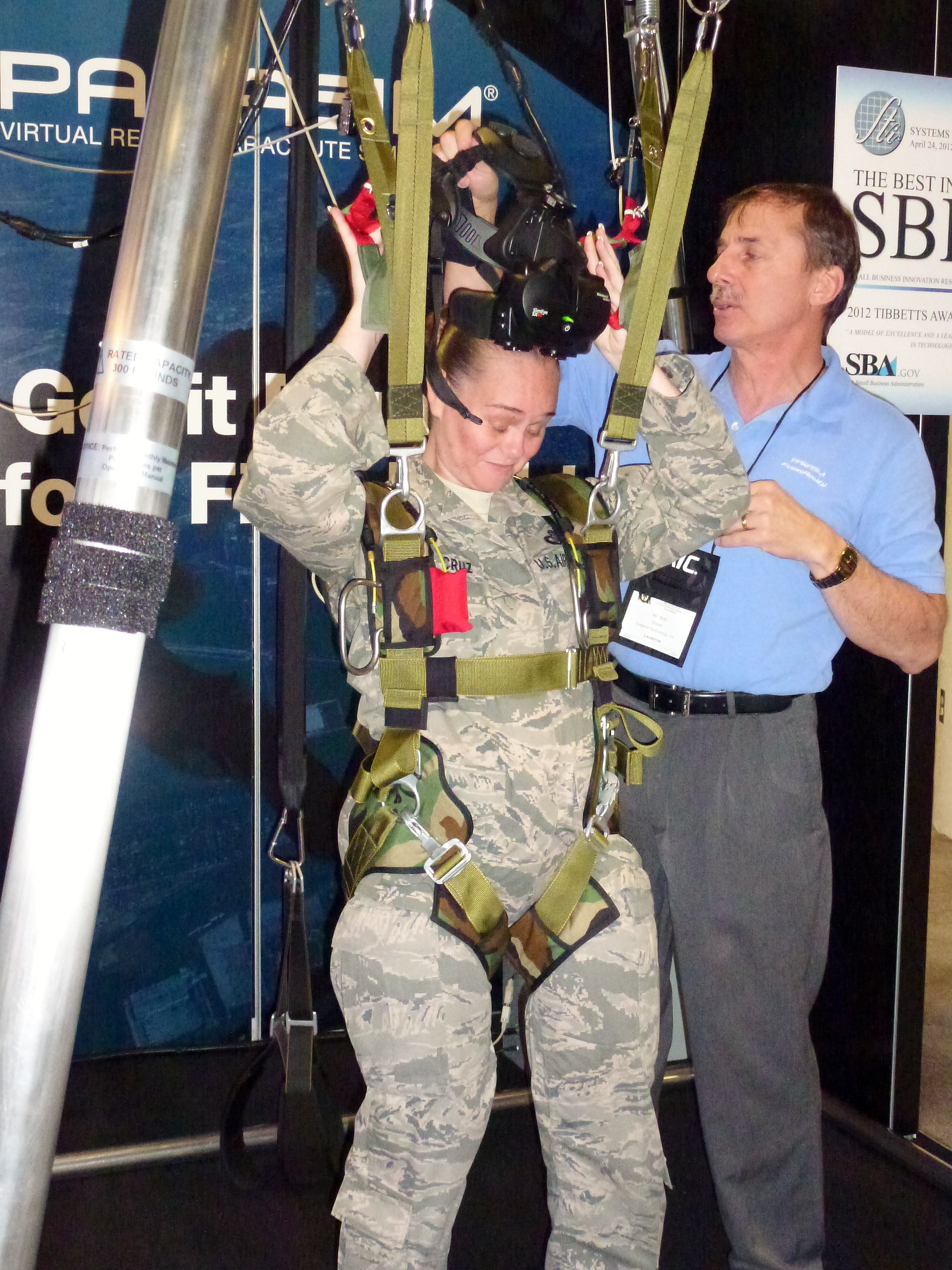 Systems Technology, Inc., hereafter referred to as STI, is based in Hawthorne, CA. The firm is 100% employee owned founded in 1957 as a small R&D company devoted to the study of the behavior of dynamic systems, including ground and aerospace vehicles, and the human operators attempting to control them.
STI developed and markets PARASIM®, a parachute training and simulation systems, which has evolved over the years to be quite an exceptional tool. For starters, running on a PC and Windows 7, it can simulate any type of jump; under any environmental condition, day or night. Trainees or operators have any choice of canopy or foil. Furthermore, surroundings and terrain can exactly duplicate a proposed area of operation. For example, if you were training up to jump on UBL’s compound, you can install reconnaissance imagery so that the operator will see the exact duplicate of the jump area. A trainee, can be made to experience any number of mishaps in any combination thereof. Wearing a headset, which allows the operator or trainee to experience the virtual reality, he or she can see teammates, as well as the surrounding area in all dimensions – up, down, left or right. The experience is as real as it gets. In dollars saved alone, it has a short payback, but where it’s worth its weight in gold is the enhancement to preparation.
The folks at STI were kind enough to let me try a HALO and I’m proud to say that I landed on the target in 10 knot plus winds – landing upwind like a gentleman. An awesome experience!
STI has also introduced a new simulation system that it calls Fused Reality®. It touts real time video and on the fly editing; digital object recognition and manipulation, virtualized training and simulation, haptics and optical tracking, integration with human and system dynamics. I had the opportunity to simulate a cargo drop form the back of an AC-130. It was an amazingly real experience. I can think of numerous applications for Fused Reality; however, one suggestion coming from STI itself, is portable door gun training with the M240-D machine gun.
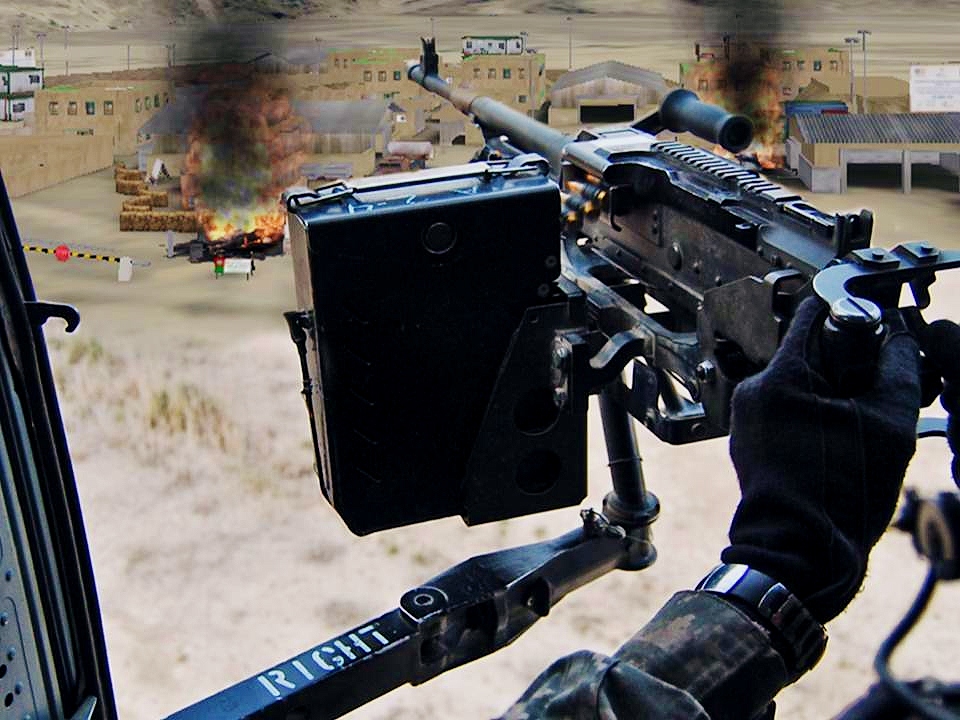
Simulation is becoming a more valuable tool as systems become increasingly integrated and STI is at the bleeding edge of that technology. I was impressed by the fact that your only limitation is your own imagination.
About four or five weeks a go I was biking along Bayshore Blvd., Tampa, Fl when I noticed a white houseboat tied up to the seawall, which runs along the south side of the Bayshore. If you are at all familiar with Hillsborough Bay, you know that prevailing winds are from the S to SW, and as the tide ebbs, you can get some pretty nasty surges and heavy chop. I inspected the vessel, saw no hull markings, and noted that it did not appear to be very seaworthy. I called it in to Tampa P.D.; at the time, my concern was that if the seas picked up the seawall could be easily ripped out. Tampa P.D. sent an officer out to investigate and later that day, the boat was removed. The owner, I assume, moves the boat to a shoal about 400 to 500 yds offshore.
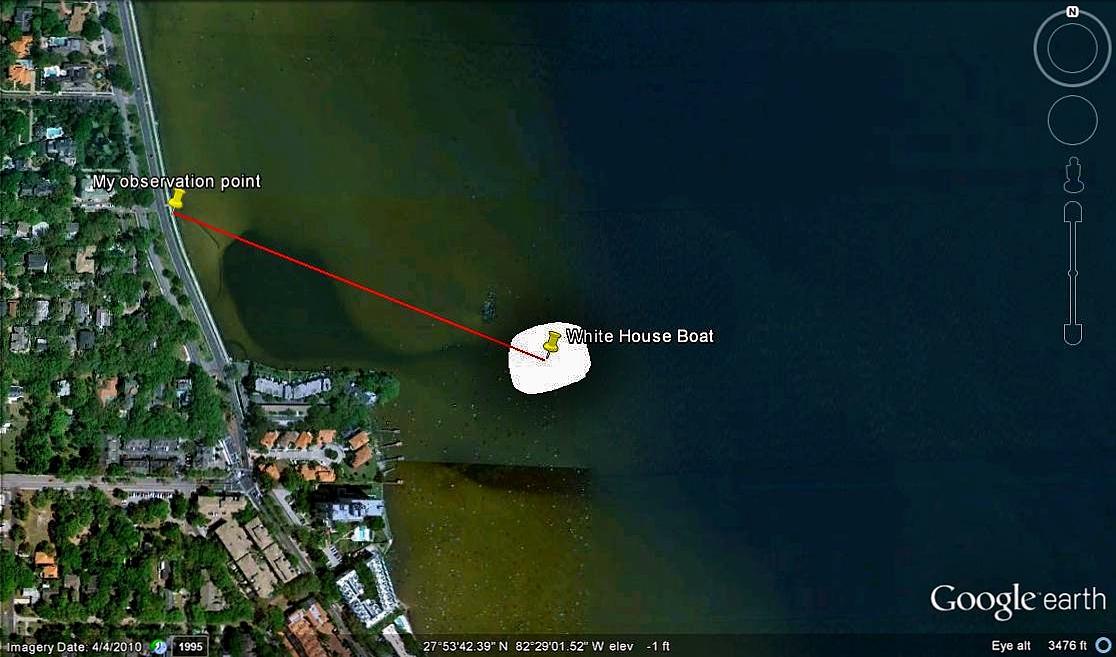
Google Earth Image Showing My Observation Point and Approximate Location Of The Boat.
A week later, while biking, I noticed that the boat had a prominent port list and I decided to call it in to the Coast Guard, believing it represented a hazard to navigation. At the time of my report, I did not have a GPS or compass with me so I estimated the line of sight bearing to the vessel, from my point of observation, as 145° magnetic – the actual bearing was closer to 116° magnetic. The Coast Guard asked me for a description, which I relayed as best as possible. My good deed for the day was done and the situation was now in the hands of the Coast Guard.
Another two weeks had elapsed and I went for another bike ride but this time I noticed that I could see no free board and the vessel’s deck was awash with only the pilot house sitting above the waterline. Clearly the boat had sunk.
Why, I have a problem with this:
As of yesterday afternoon, the boat remains sunk on the shoals and posing a hazard to navigation. Without an anchor light, or running lights, pleasure craft moving through the area at night could easily collide with the sunk vessel. Finally, if a storm rolls in, the vessel could easily break up leaving debris in the water, which could create a hazard to navigation.
I don’t fault Tampa P.D. who, day in and day out , do an excellent job and God knows the Coast Guard has enough to do, especially in times of shrinking budgets. However, I’ll bet you dollars to doughnuts that a pre-DHS Coast Guard would have had a crew out there checking this out.
Maybe its just me but I think our response should be a bit more proactive!
When I first started talking about the UAS and UAV systems, I alluded to the fact that these devices are increasingly becoming and extension of the soldier operator and as important as anything else in his array of tools. My assertion is proving to be quite correct and you can expect small UAS to spill over to federal state and local law enforcement.
Systems like AeroVironment, Inc’s Raven® B UAS, a small and “man-packable” aerial platform, have proven their worth in rapid deployment, high mobility, military applications, requiring low-altitude surveillance and reconnaissance intelligence.
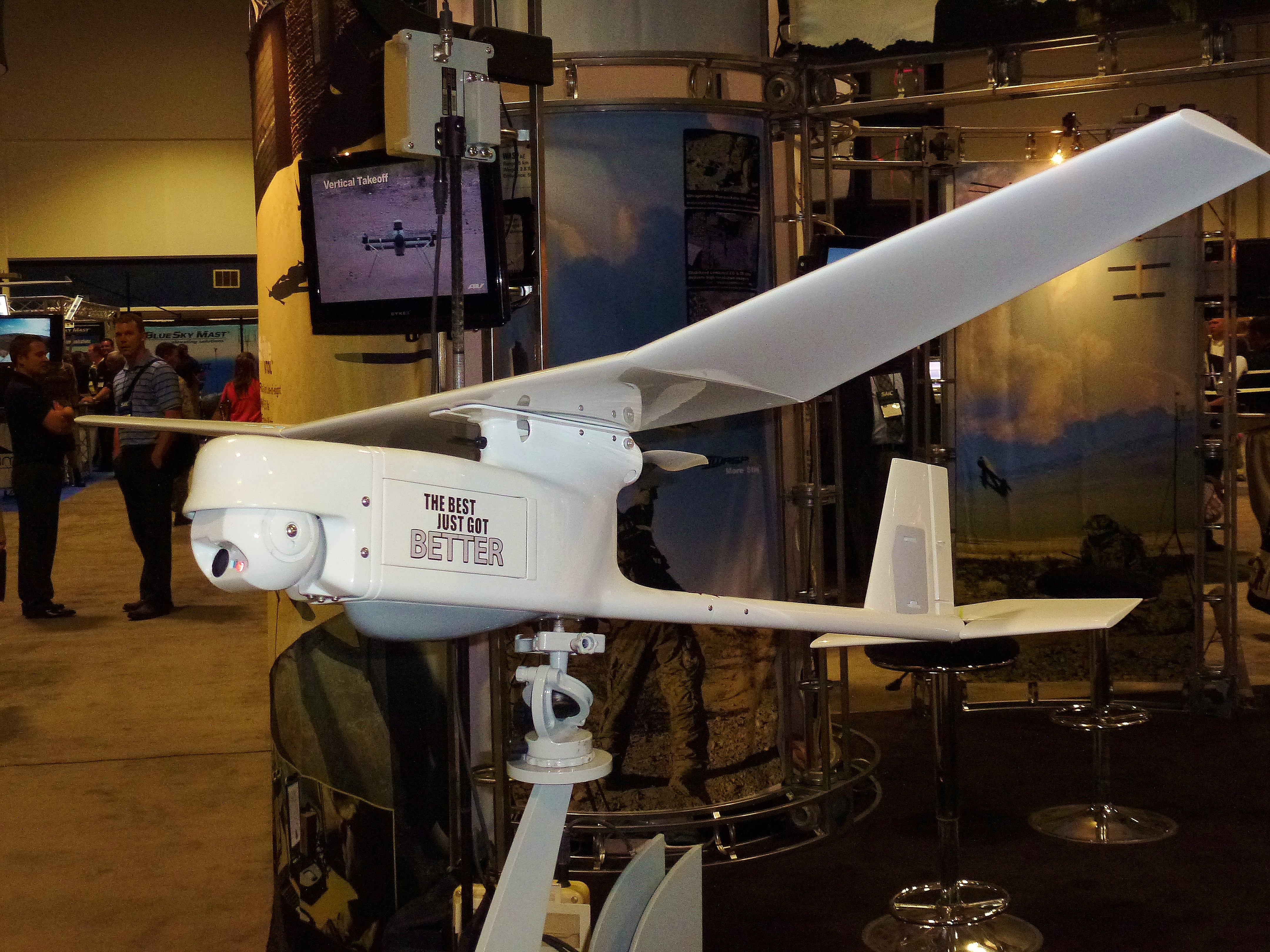
Raven has a wingspan of 4.5 feet and weighs a mere 4.2 pounds. It has an operating range of 10 km and an endurance of 60 to 90 minutes; the battery is rechargeable. It flies at 32-81 km/hr and operates at 100 to 500 feet AGL with a maximum launch altitude of 14,000 feet MSL
Raven’s payload is configurable, but the standard payload is quite capable; offering a dual forward and side-look EO camera nose. The IR cameras are electronically operated for pan-tilt-zoom, with stabilization. Raven can be operated manually or programmed, and the Raven will auto-land.
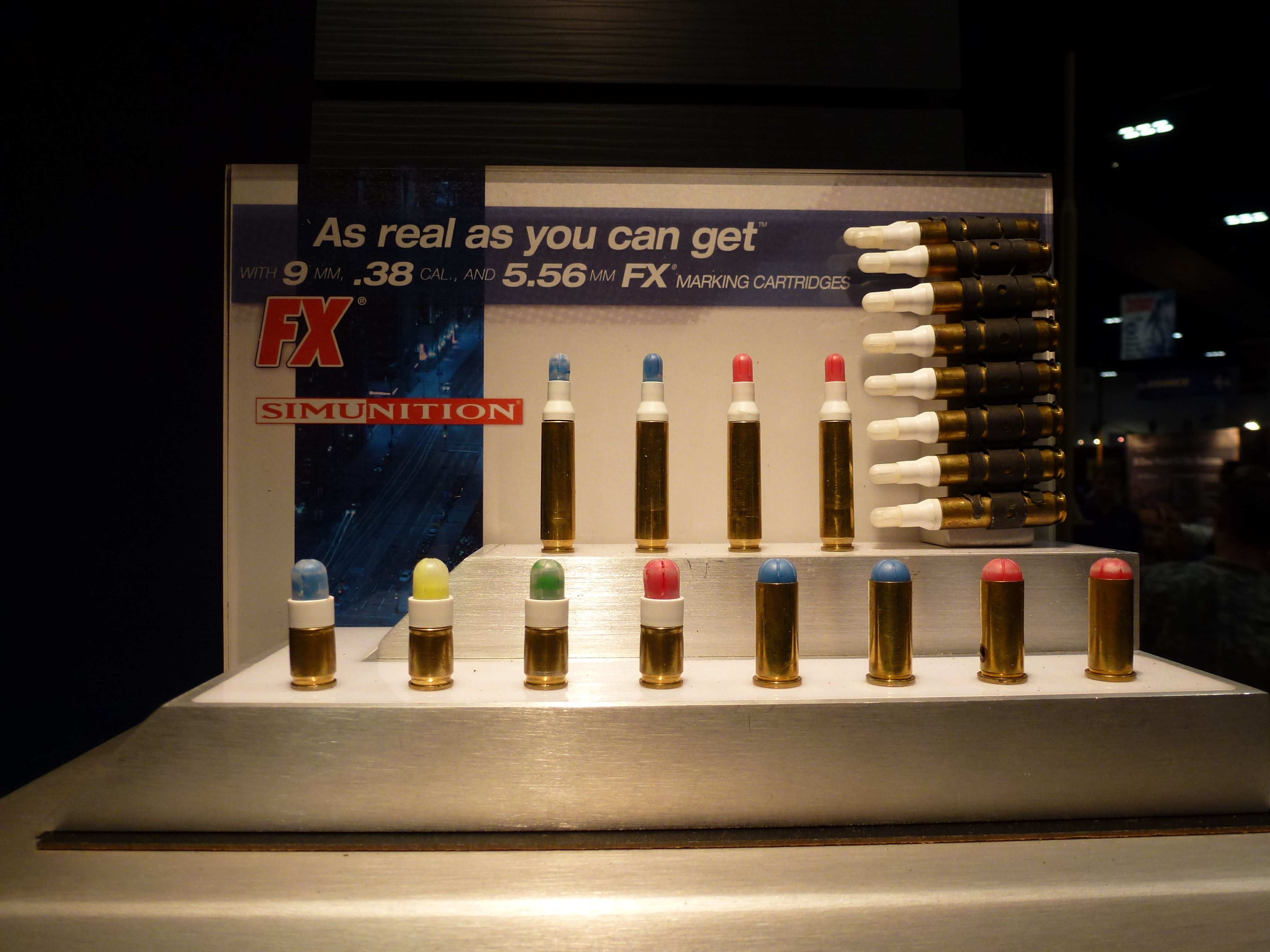
Simunition For Force-on-Force Training -Limited Range and Energy
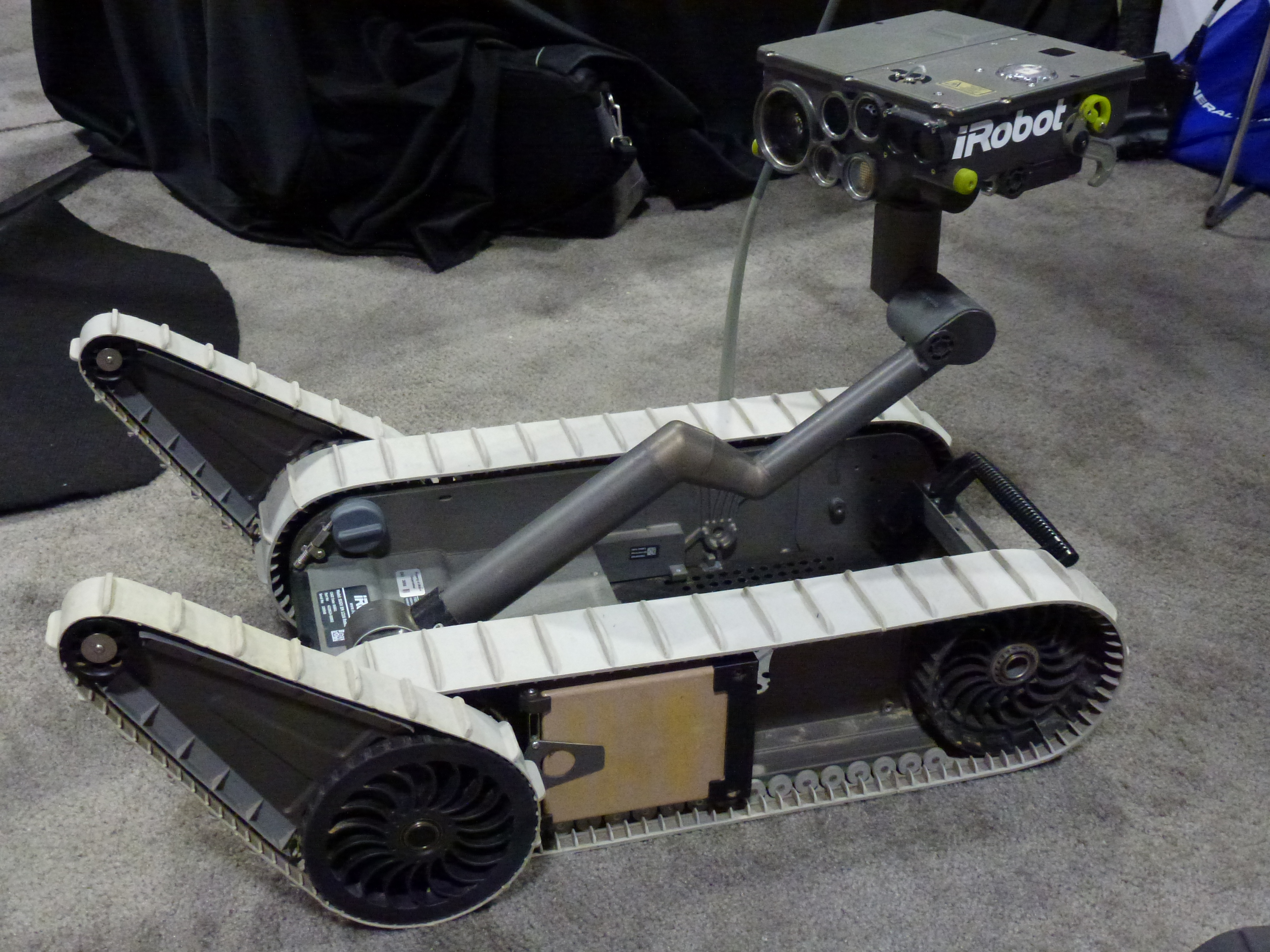
iRobot SUGV- Multi-mission, modular
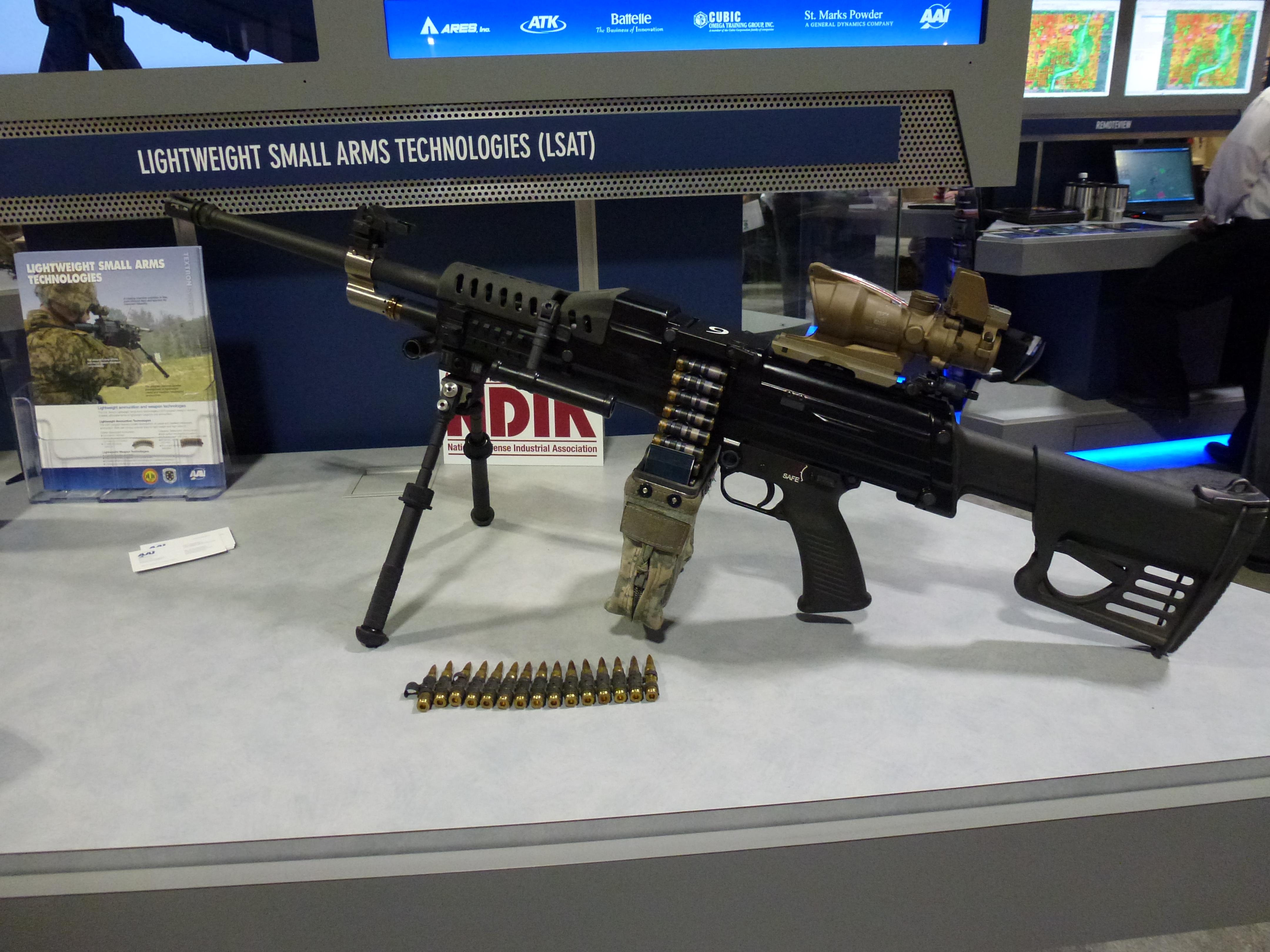
Light Machine Gun (LMG) Using Caseless Telescoped Ammunition. Estimated reduction in weight 47% and reduction in volume of 40%

BAE Systems – Oasys SkeetIR Mini Thermal Sight
Dedicated Article To Come…
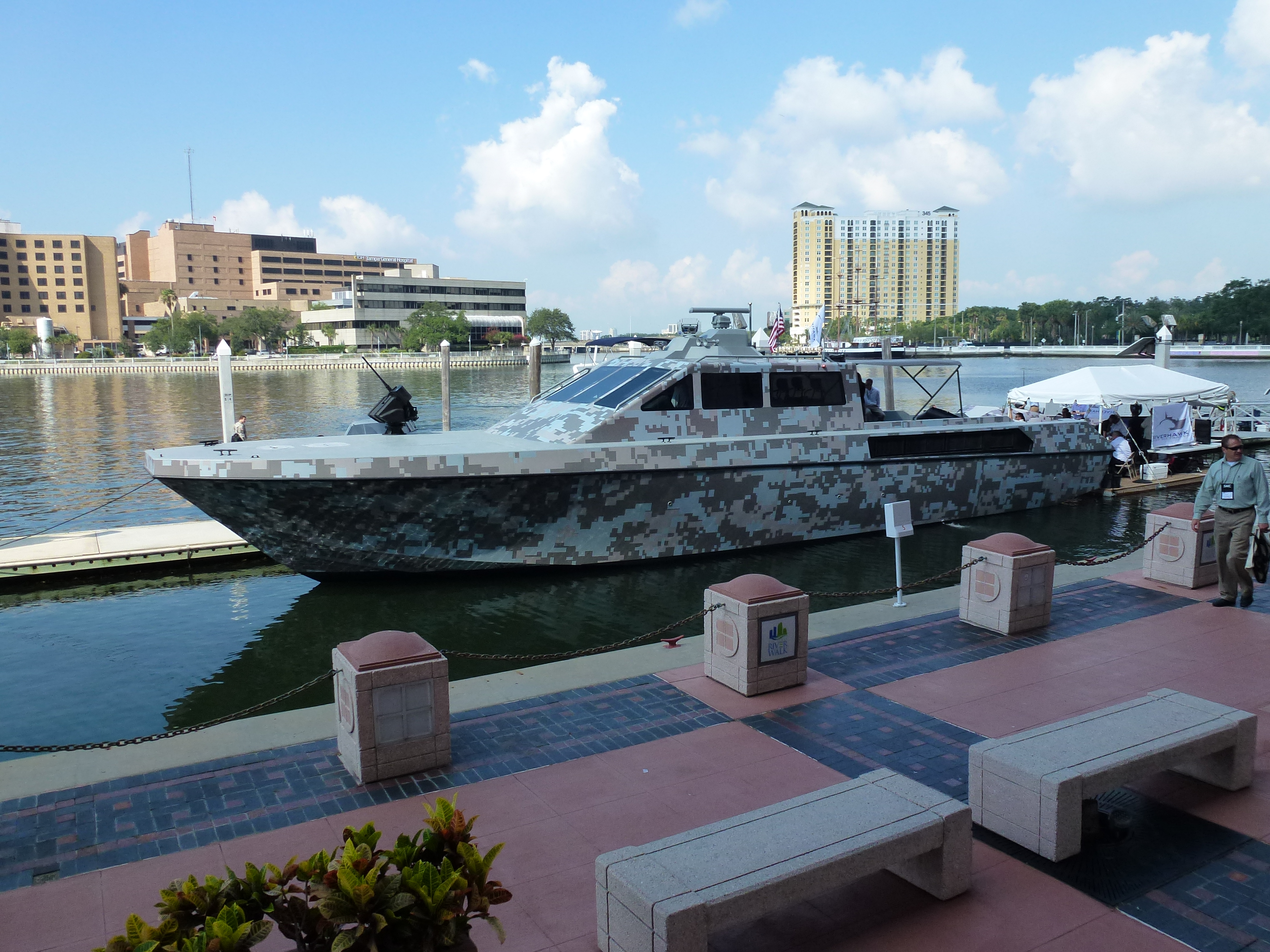
Dockside Riverhawk Sea Strike
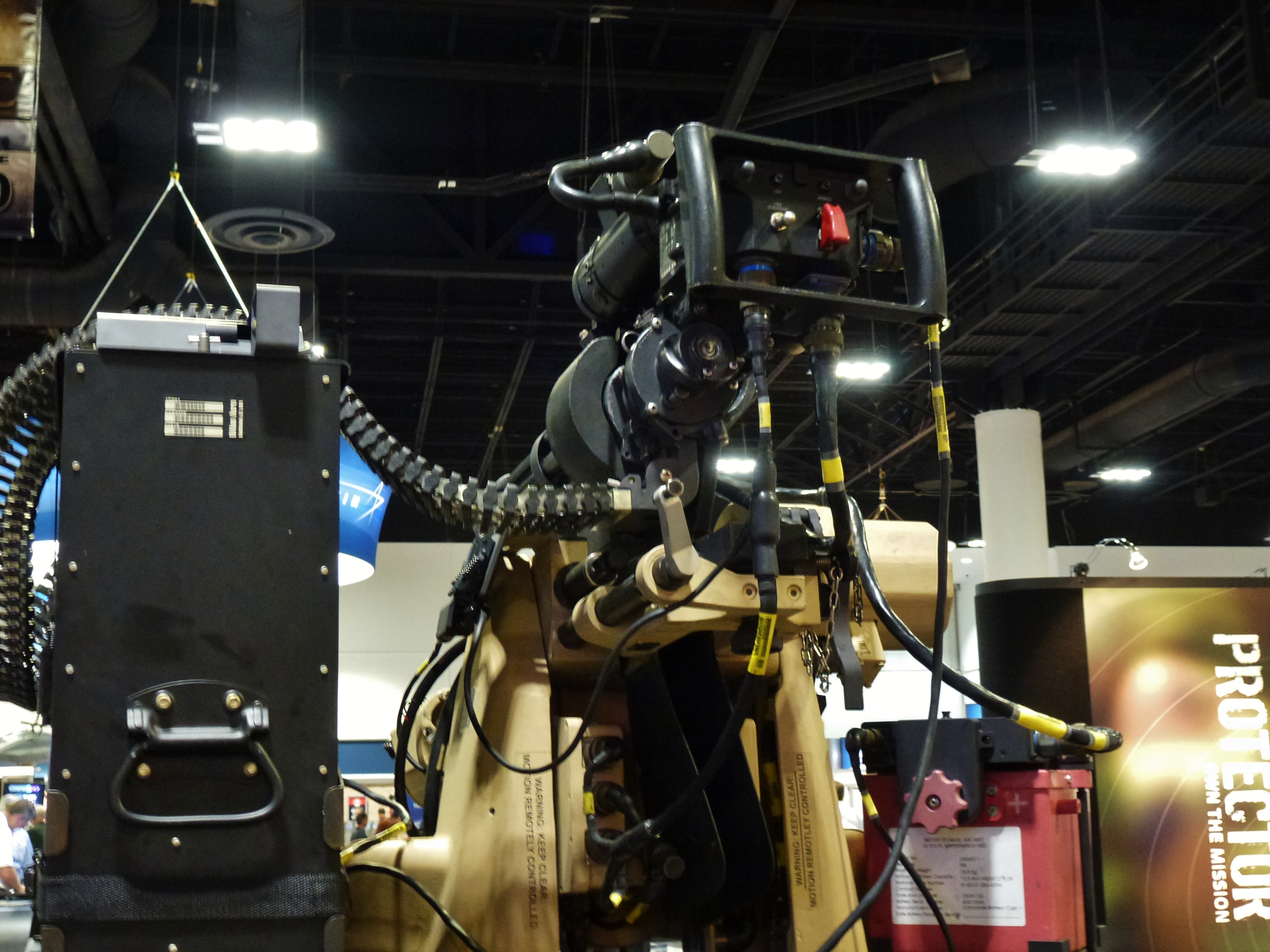
Operator’s View Of The Protector Mini-Gun
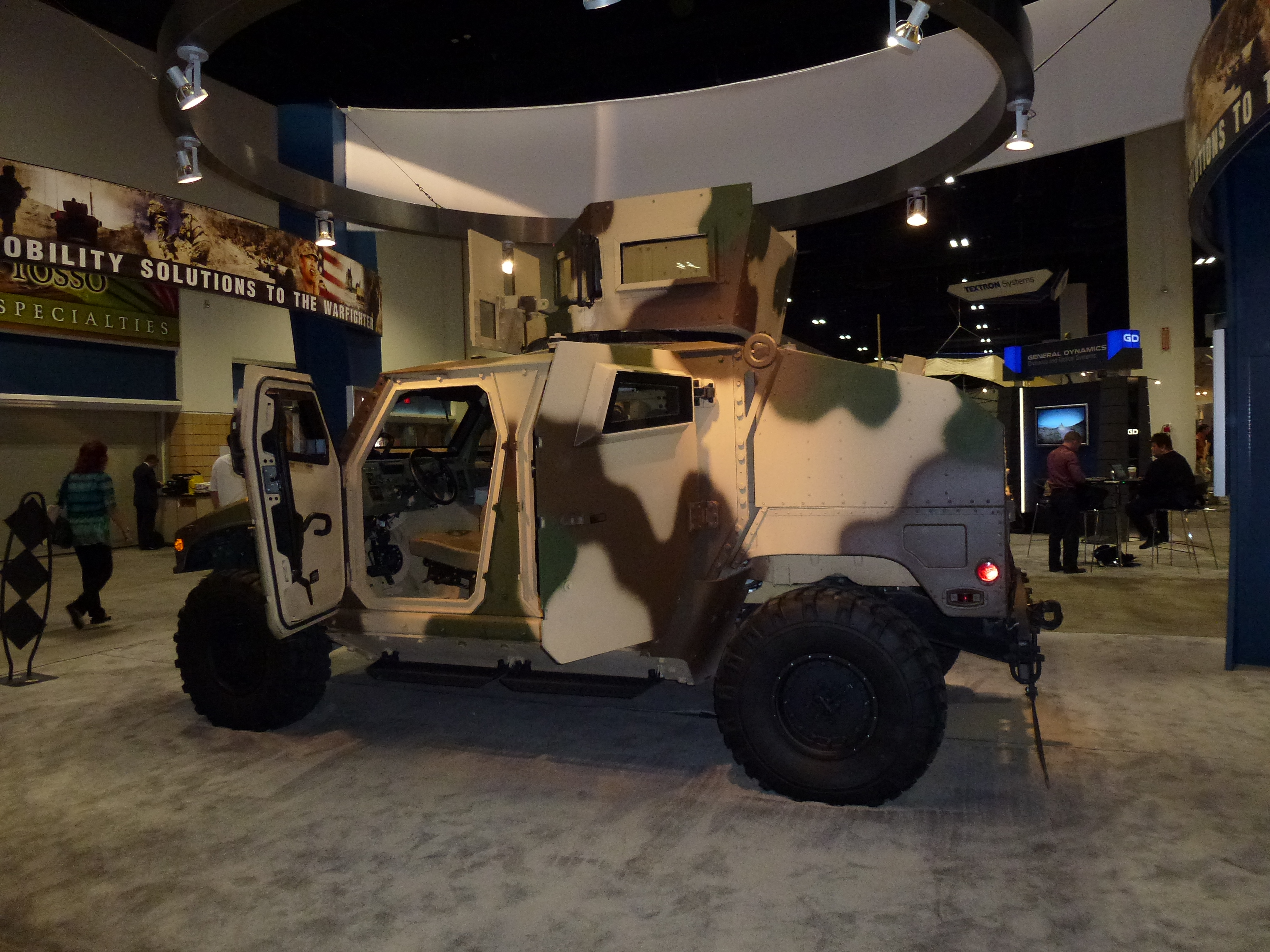
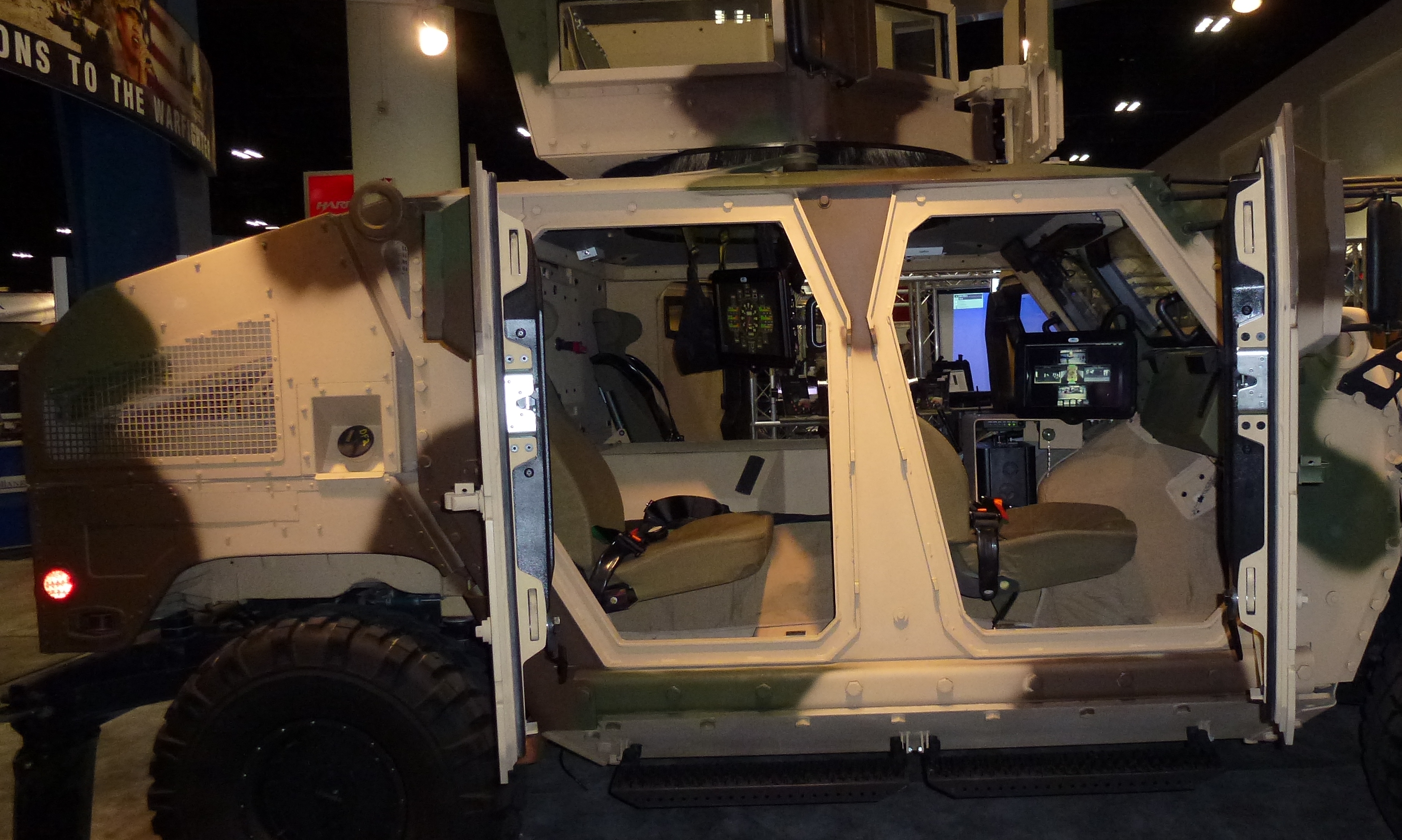
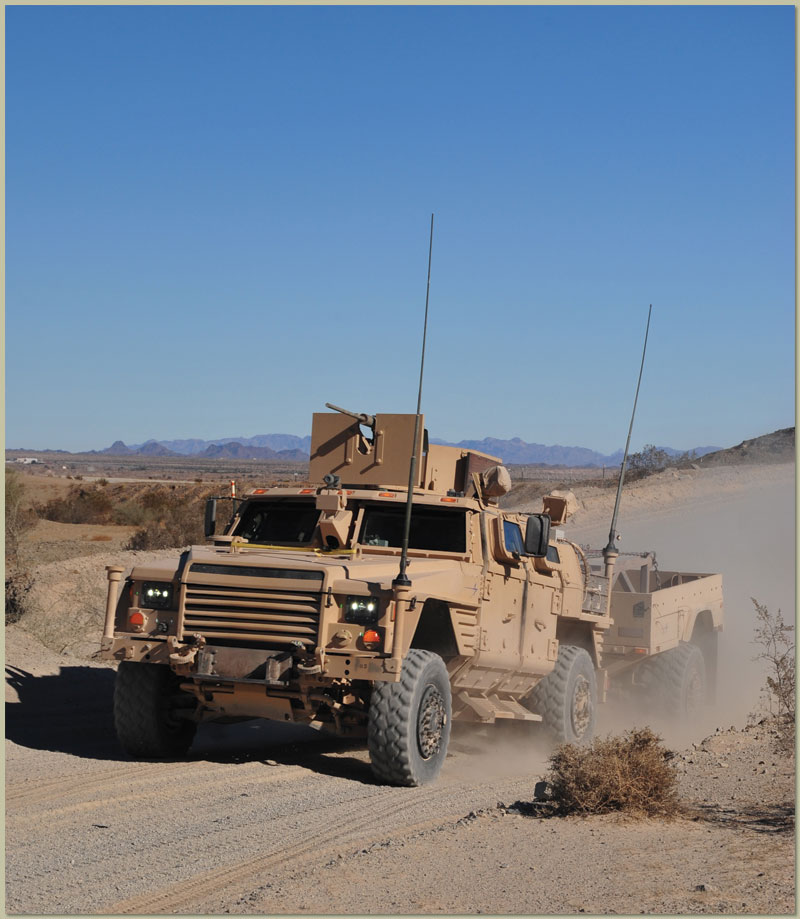 The Vehicle Integration for C4ISR/EW Interoperability (VICTORY) initiative was news to me and I want to thank Steve Graves, Vice President of Marketing at Acumentrics, for introducing it to me. So, what is VICTORY?
The Vehicle Integration for C4ISR/EW Interoperability or VICTORY initiative attempts to correct problems that have surfaced as more equipment is fielded in military vehicles. Not only is the equipment gobbling up real estate but it appears that sharing of resources and data is not working efficiently.
Implementation of VICTORY would mean that tactical, wheeled, vehicles and ground combat systems can recover lost space and concurrently reduce weight and power requirements. Interoperability between equipment types would be enhanced through a common data buss to share information; providing an integrated picture to the crews. Finally, and what I find most important, is that VICTORY would create an open architecture that will accept new technologies as plug-and-play enhancements or augmentations.
VICTORY’s framework includes:
VICTORY’s technical approach includes:

Acumentrics Holdings of Westwood, MA is the holding company for two businesses, Acumentrics RUPS (rugged uninterrupted power supply) and Acumentrics SOFC (solid oxide fuel cells).
At this year’s SOFIC Conference, Acumetrics RUPS featured its new Rugged Blade UPS™. The device has a 1U profile, meaning it will fit into a 19 inch rack tacking up no more than 1.75 inches of rack space. RUPS’ product is rated at 1250VA / 1KW (AC or DC) and can be daisy chained with other units to deliver up to 8000VA of uninterrupted power.
The UPS weighs only 28 lbs or 12.7 kilos with the optional Li-ion battery pack and maxes out at 33.5 pounds or 15.2 kilos with lead-acid batteries.
A UPS sits between the external power source and the equipment it supports conditioning the power – ensuring that spikes, noise and transients are kept out of the equipment – and when external power is interrupted, transitions to its battery module. Internal AC-DC converters (multi-vibrators) then convert battery DC to AC ensuring the protected equipment never looses power.
Steve Graves, Vice President of Marketing, discussed Acumentrics’ unique Flo-Thru™ technology. Dealing with the “moon dust” sands common to the middle east cooling can be a problem. This concern is mitigated by Rugged Blade UPS’ heatsink tunnel design and gasket-sealed enclosure, which offers maximum protection for internal components from the effects of moisture, airborne particles, and other contaminates in the operating environment. Rugged Blade UPS is also equipped with a variable speed fan and heat monitoring algorithms that keep internal temperatures well regulated.
Acumentrics’ Rugged Blade UPS accepts single phase AC input power from 80 VAC to 265 VAC and 47 to 440 Hz as well as DC input of 22 VDC to 32 VDC volts.
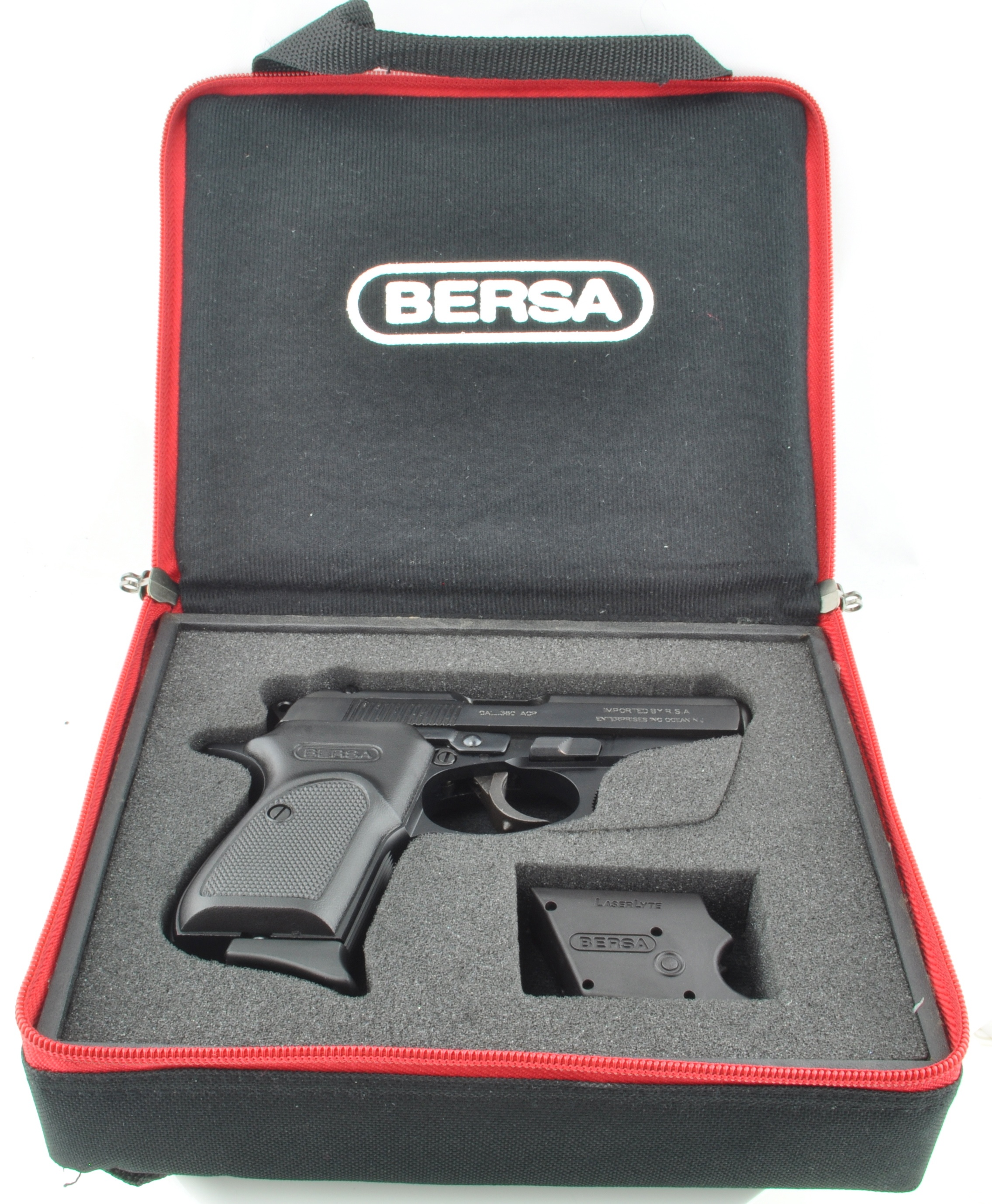
For those not familiar with the Bersa Thunder, I’ll say it’s a fantastic backup or conceal carry pistol . It’s what I carry, so I’ve put my money where my mouth is. The Bersa Thunder is a .380 (9 mm kurz), it’s compact, light weight, accurate and safe – an all around exceptional value that just got even better.
LaserLyte® has now teamed up with Bersa to offer a Bersa Thunder / LaserLyte aiming laser package you ought to seriously consider; it’s available now at a suggested retail price of $420. Shopping around will probably net you a better price but you won’t find a better packaged deal.

Spent some time with the folks from the O’Gara Company checking out the STS AN/PVS-21 LPNVG (Low Profile Night Vision Goggle), a rather impressive piece of technology. The obvious is of course its compactness, especially when compared to an AN/PVS-14.
The LPNVG is a dual channel I² night vision goggle. Its folded optic design permits a more compact form factor. The overall design, which includes proximity to the face, ensures the head’s center of gravity remains, as closely as possible, unchanged. The goggle uses a see-through beam combiner that allows the operator to see both intensified and unintesified views; making aggressive transitions from light to dark and dark to light seamless. An operator may be involved in a night operation where he aggressively transitions from a dark structure into an illuminated room, so the typical problems encountered with the AN/PVS-14, in that situation, are absent in the LPNVG. Part of its original design includes support for the installation of a refocus lens, and no extraneous mounting devices or adapters are required. The AN/PVS-21 includes IR illuminators for zero ambient light situations. STS included a heads up display (HUD) port; opening the door for sensor fusing capabilities.
I haven’t had the opportunity to take them for a spin, but intuition tells me that there’s a great deal to like here.
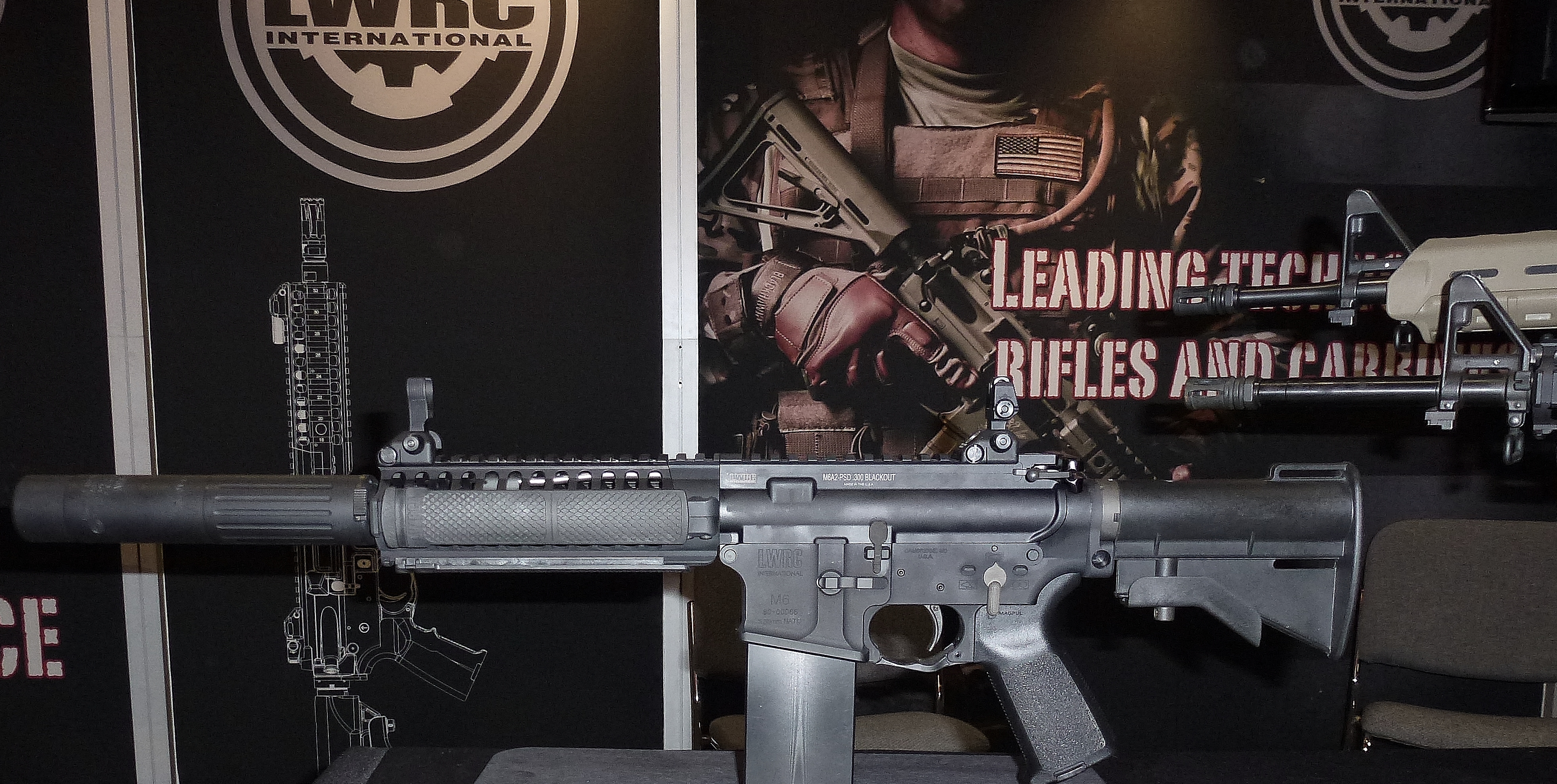
LWRC International is a pioneer in the development of short-stroke gas piston operating systems for the AR15 / M16 platform; the company is also one of the competitors in the U.S. Army’s carbine competition. LWRC carbines are considered to be some of the finest carbines in the world.
While at SOFIC 2012, in Tampa, I had an opportunity to checkout, in some detail, their M6A2-PSD 300 Blackout. For those unfamiliar with LWRC’s PSD concept, the thought process behind the PSD is simply that limiting yourself to a pistol caliber SMG for space and size considerations is unnecessary. In line with that thought process, they developed the PSD which provides all of the functionality of an M4 but in a very compact package. They have a 6.8 SPC model and now a 300 Blackout, which would be my personal choice for its terminal ballistics. Crudely stated, it is a freight train.
Depicted is an M6A2-PSD, chambered in 300 Blackout, selective fire, 8.5 inch barrel and suppressed with an AAC 7.62 sound suppressor. A dream package for close quarter or security work.
I’m sure you’ve all heard of the Hannibal Lecter knock-off in Miami, FL. Apparently the guy decided to start munching on someone’s face before being shot by police. So, we think this is what may have been going through his head as he was eating the victim’s face…
10. I sure hope that was not impetigo.
9. This beats stake tartare any day of the week.
8. I’m not at all convinced Estee Lauder has anything on Shiseido.
7. I should have marinated in Brut.
6. Nobody said anything about him being HIV positive.
5. Next time I’ll shave the bastard.
4. I wonder if McDonald’s knows about this.
3. He won’t look as much like an ass.
2. White or red wine?
1. I just chipped a tooth. Could this possibly be Joan Rivers?
Burris Optics’s Fastfire III™
They say the third time is always the charm and Burris definitely has it right with the new FastFire III™ red dot sight – compact, accurate and definitively tactical!
Read my June review…
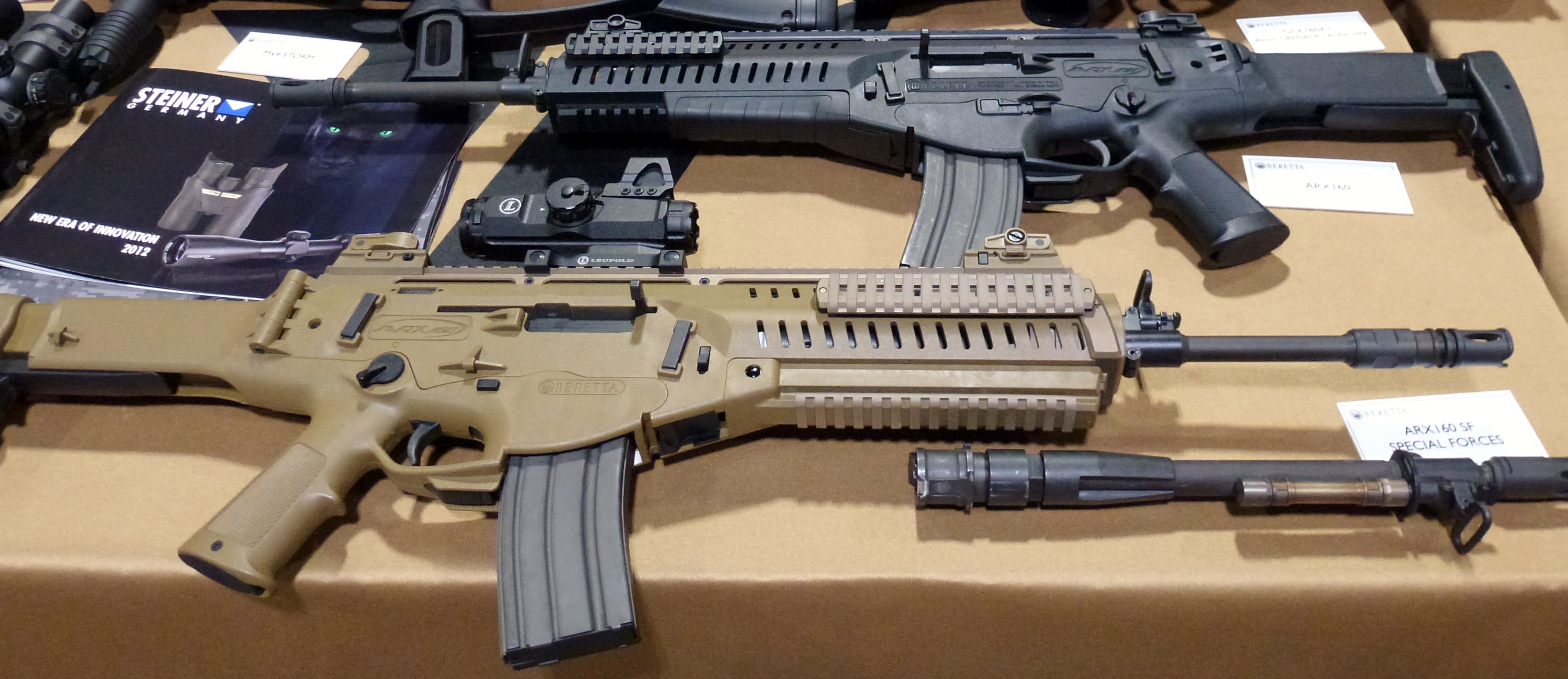
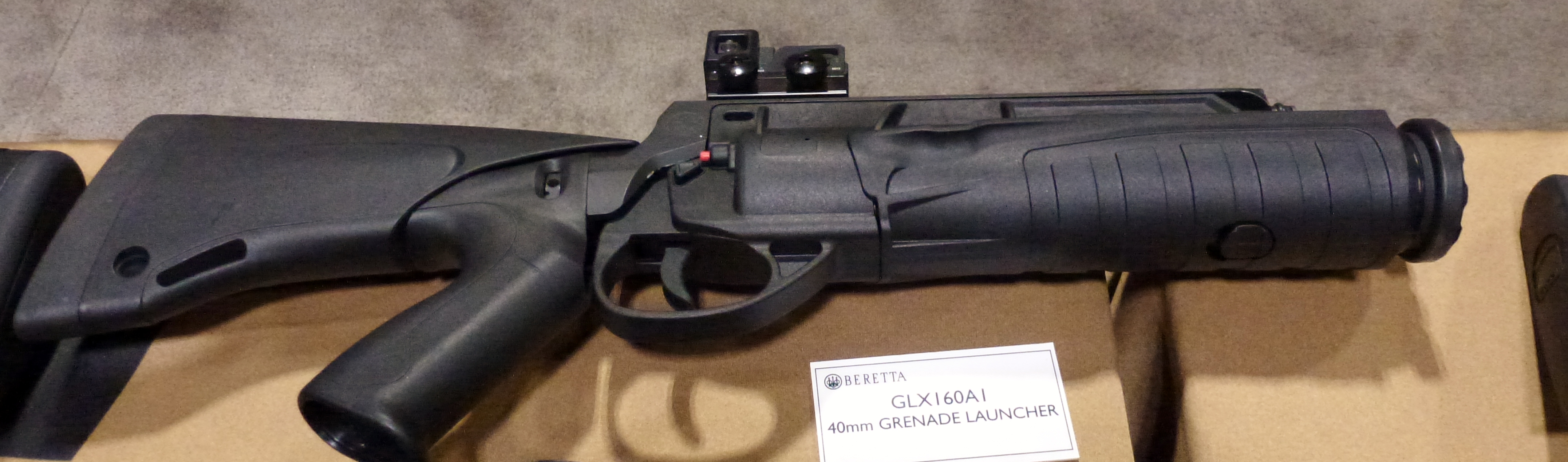
Beretta ARX160 5.56 x 45 carbine and the GLX160A1 40mm grenade launcher.
Beretta’s ARX160 carbine is among several contenders in the U.S. Army’s competition (read ongoing saga) to replaced the venerable M4. There are many considerations an organization as large and diverse as the U.S. Army has to weigh; however, ceteris paribus, Beretta’s ARX160 is easily the most ergonomic carbine on the market. Compatibility with existing M4/M16 magazines, no tools required barrel changes literally on the fly, minimal lubrication required, no take down pins, ambidextrous controls and breaking the weapon down is easy and can even be performed by O3s and above…
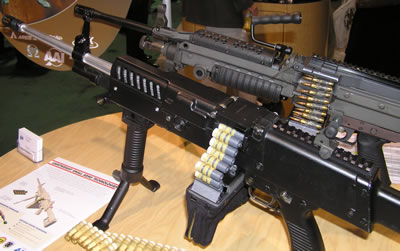 I first had an opportunity to gain some familiarization with the Lightweight Small Arms Technologies (LSAT) Light Machine Gun or LMG at an NDIA Small Arms Symposium in Virginia Beach, VA. I was impressed with its compactness and weight reduction achieved through design changes and ammunition concept. The U.S. Army’s Maneuver Center of Excellence at Ft. Benning, Georgia completed its military utility assessment, Sept 2011, confirming that soldier participants preferred the LMG over the M249 SAW. A total of 25,000 rounds were fired from eight prototype LMG’s during the assessment. Soldiers overwhelmingly preferred the LMG to the M249 SAW, which is the machine gun currently used in Afghanistan. Fifteen out of nineteen soldier participants stated that, given a choice, they would rather take the LMG into combat over the M249. Compactness and weight reduction emerged as the key deciding factors; however, the study also revealed a significant reduction in the time it took the Soldiers to zero the LMG compared to the M249 SAW.
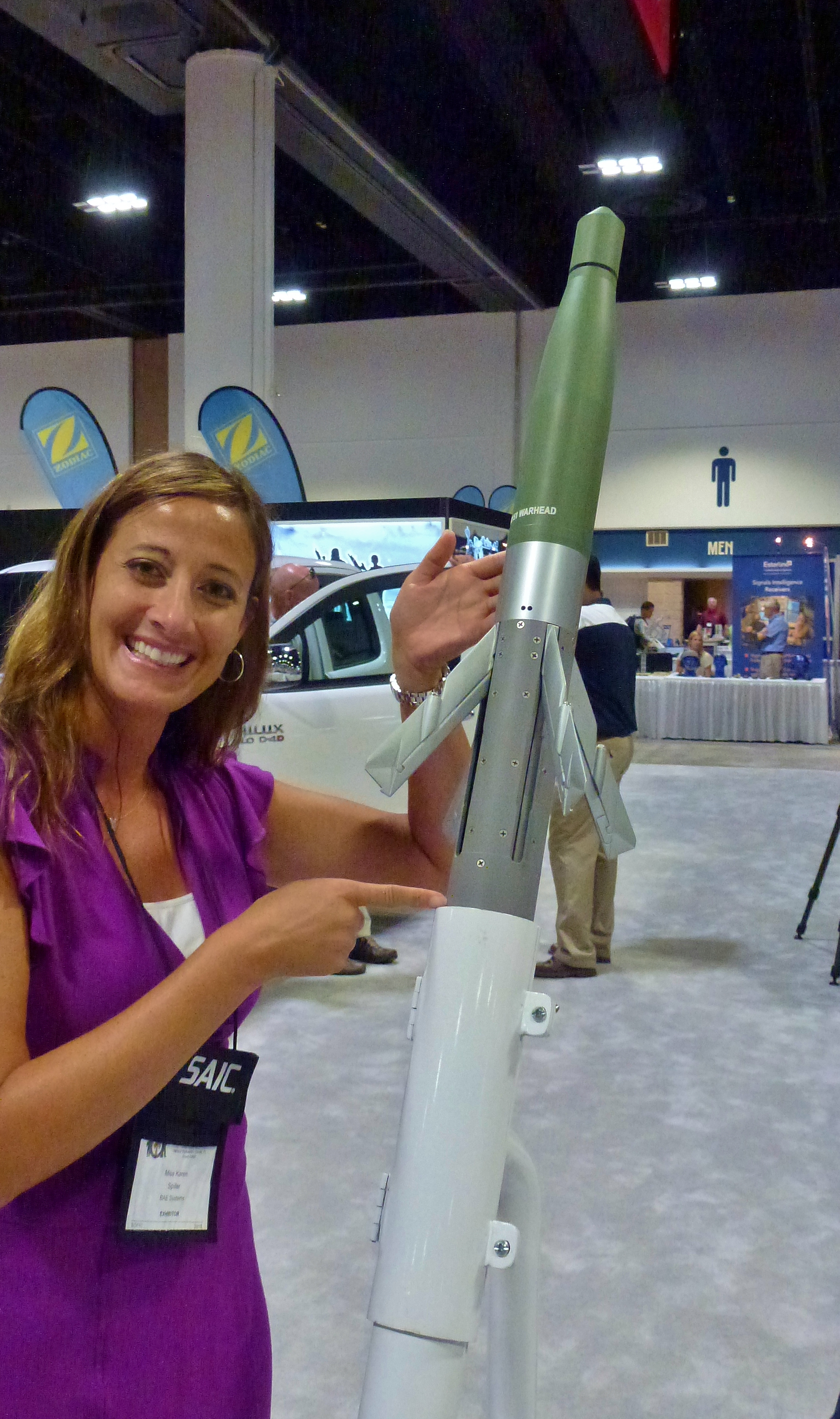
I admit to having a fond place in my heart for BAE Systems; it’s rare to find a company of its size with as much creativity and entrepreneurship. The Advanced Precision Kill Weapon System or APKWS is but one example of that.
APKWS is a precision, guided rocket that can be fired from any 2.75 inch pod, fixed wing or rotary. The system consists of four major assemblies: MK66 MK 4 rocket motor, WGU-59B guidance section, M151 warhead, M423 fuse. A second after firing, the rocket guidance section deploys four wings. The wings have aileron like trailing surfaces, called flaperons, that function to stop rotation of the rocket stabilizing its flight path. The wings also provide the mounting surface for the laser seekers. The APKWS uses the same laser designator, for targeting, as used with the Hellfire missile, integrating seamlessly with that armament.
What really impressed me about BAE’s AP KWS is not just the lovely and charming Karen Spiller, it’s the modularity of design. BAE had its thinking cap on and working. The technology makes it possible for BAE’s customers to convert existing, unguided, Hydra rockets into precision guided rockets. The process is rather simple and is accomplished by removing the existing Hydra warhead and fuse; installing the WGU-59B guidance section in its place, followed by replacing the warhead. Key to this conversion is the fact that pods and aircraft require no modification – talk about “bang for the buck”. The entire concept is simply outstanding!
In recent testing, using inert M282 warheads with unmodified flight software, APKWS engaged six targets from airborne helicopters at ranges of 1.5 to 4 kilometers. All six shots hit the target less than two meters from the laser spot. During two live warhead ground shots, APKWS rockets with the M282 warheads penetrated a triple brick wall and an M114 armored personnel carrier.
The weapon was fired for the first time in combat operations in Afghanistan from AH-1W and UH-1Y helicopters supporting U.S. Marine Corps ground forces in March.
For more information about APKWS, visit: www.baesystems.com/apkws

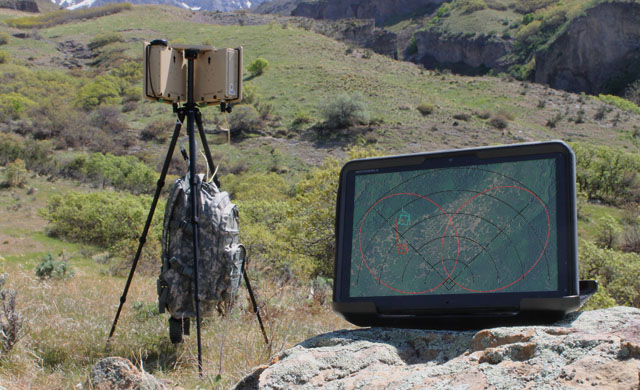
SpotterRF is a one-of-a-kind item in that it is the only surveillance radar in existence that will fit in a backpack. SoptterRF weighs a mere 3 pounds for the M80 and 4 pounds for the larger M600C model. The radar operates in the x-band region at 10 GHz and is battery operated. Applications include surveillance, sensors and force protection. The SpotterRF can be mounted in trees, structures, tripods or anything else that will provide a clear line of sight. The unit can also be camouflaged and used as a sensor. The system generates a 90° beam which can be nearly described as a cardioid pattern. When side lobes are considered detection performance is nearly omnidirectional. For example, three heads pole mounted would give the operator 360° coverage.
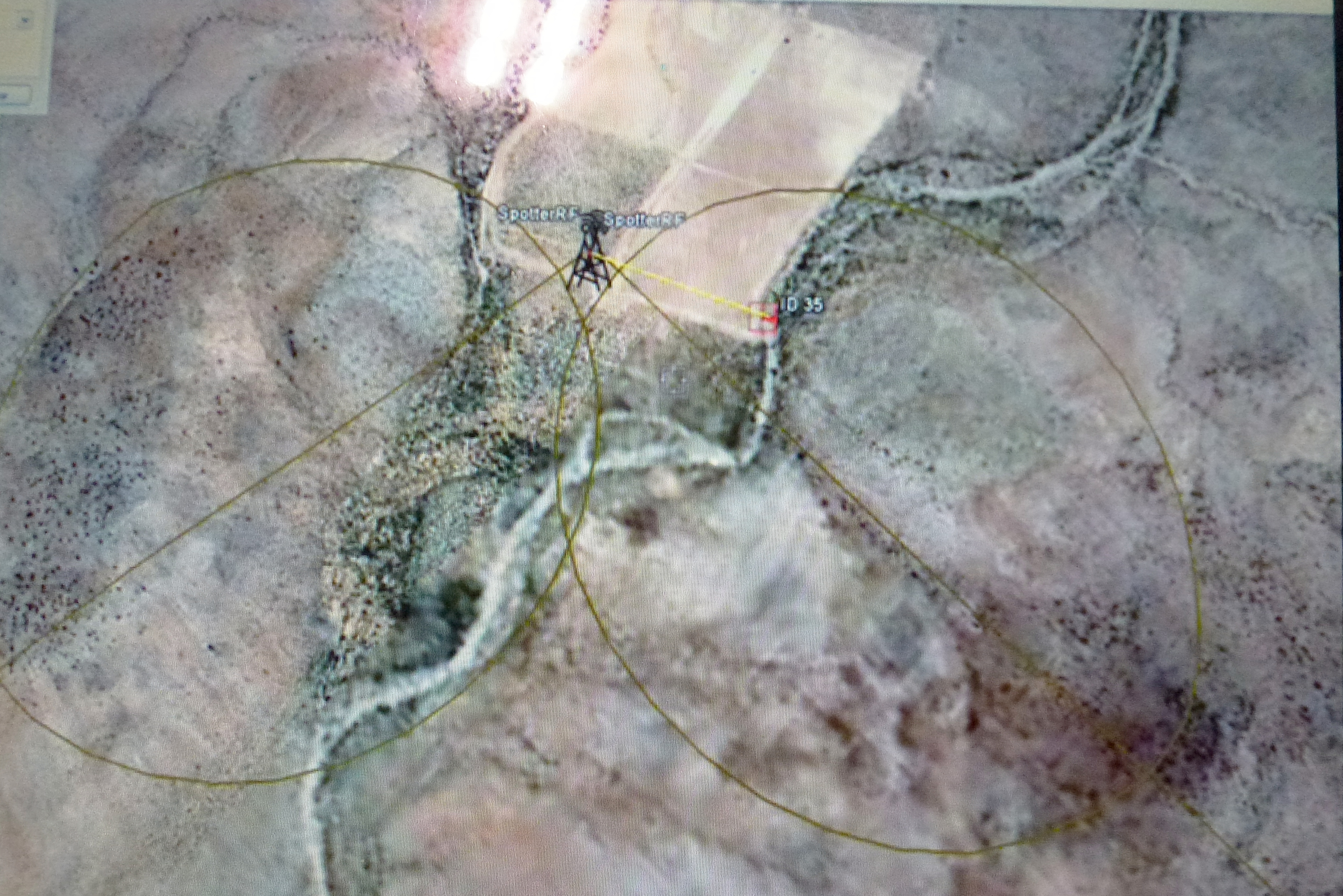
If you’re looking at a tool to enhance force protection or surveillance, the SpotterRF may be just the ticket for you.

 FOG HORN