
(This article was published on Thursday 16 Jul 2015 to accommodate other editorial priorities)
 This Friday’s shoot-the-shit will be the recent Iran Nuclear Deal formally titled “Joint Comprehensive Plan of Action” or JCPOA.
A lot has been said about this deal, but whatever side of the equation you are on, it represents the first and only good faith attempt at a diplomatic solution. Having said that, this deal rewards Iran handsomely for compliance. I found the timelines of 10 and 24 years somewhat curious and suggestive that western negotiators were trying to leverage generational change. So the bottom line is this…
If Iran abandons its nuclear weapon ambitions, permanently, the country will see an economic overhaul of biblical proportions. EU and EU+3 negotiators held out the carrot so is Iran willing to abandon a national ambition for a nuclear weapon and benefit from an outpour of assistance? That remains the question. If you’ve formed your answer based on past performance, you’ll conclude that Iran will cheat before it even has a chance to implement. If you’re an optimist you’ll assume that Iran prefers to have a vibrant economy over a nuclear arsenal. I think Iran will assume that it can have both. Some of the deal points follow.
The deal, leaves a commercial nuclear program intact, and supports it, in fact, with accessibility to EU, EU+3 and US research and technical assistance. The deal limits uranium enrichment to 3.67% , it allows Iran to produce its own nuclear fuel, continue nuclear research, produce isotopes for medical and research purposes, limits the types and number of centrifuges and prevents Iran from stockpiling nuclear material. The terms also require Iran to completely abandon all ambitions to develop nuclear weapons, but aside from reimposition of sanctions has no explicit teeth for failure to comply. Other than abandonment of nuclear weapon ambitions, the deal places no other burdens, such cessation of regional ambitions and support of terrorist groups.
Had Secretary Kerry asked me for input, I would have included restrictions on developing a nuclear powered surface and submarine navy. The only difference between a commercial reactor and one found on a ship or submarine is size. By allowing commercial development of nuclear power, deal makers have accelerated Iran’s development and deployment of a nuclear fleet. Said fleet could operate farther and for extended periods globally, which mitigates some of the requirements for land based intercontinental ballistic capability. With a nuclear navy, Iran can use smaller devices; for example, something like the old U.S. UUM-44 SUBROC, which can be fired from a torpedo tube has a range of 34 miles and has a sufficiently large payload (5 kiloton) to take out a harbor or naval flotilla.
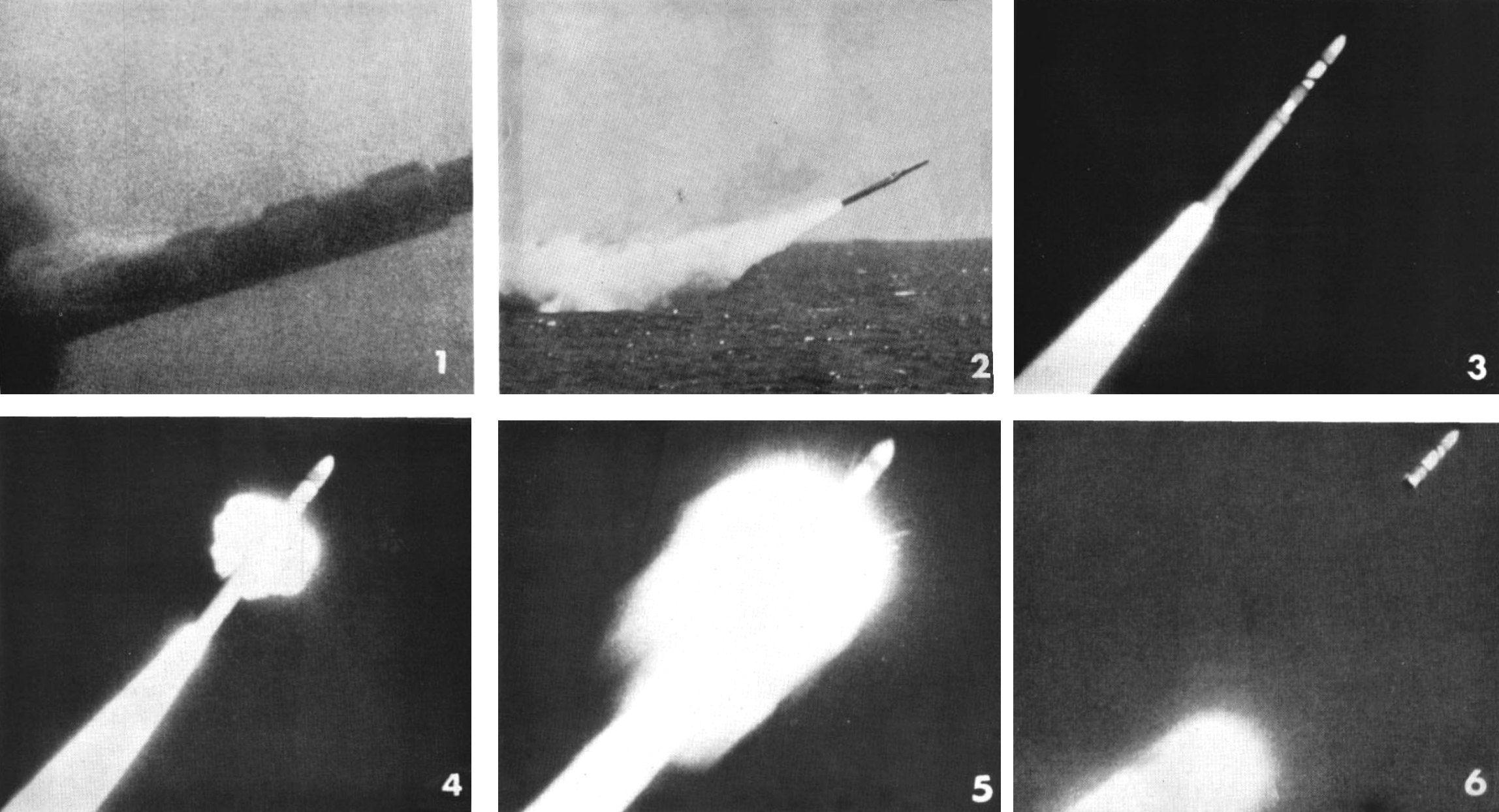
An Iranian nuclear Navy operating in the Mediterranean could pose a very serious problem for Saudi Arabia, Israel, Egypt, Tunisia and others.
The incentives for Iran to abandon its nuclear weapon ambitions, under this deal, are there in a very big way; however, are they enough to influence a government who views a nuclear arsenal as a sovereign right and a symbol of national prestige? That folks is the $65 million dollar question and it’s a huge crap shoot given Iran’s current regime.
As with all shoot-the-shit topics, you’re invited to make any unsupported comment, insult any one you wish, use any form of profanity and it’s all free of charge.
Have a great weekend be safe, get out and do something with your buds and family!
The Deal

 FOG HORN